Jiyugaoka
Jiyugaoka (自由が丘) is often ranked by Tokyo residents as one of the most desirable places to live in the capital. Translating literally to “Freedom Hill,” this sophisticated district in Meguro Ward offers a refreshing departure from the vertical intensity of the city center, defined by low-rise architecture and a high-value concentration of zakka (lifestyle) boutiques. The name itself is a resolute guardian of the neighborhood’s progressive heritage, adopted in 1927 after the Jiyugaoka Gakuen school. This forward-thinking spirit remains a high-fidelity part of the local vibe today; unlike the mass-market commercialism of nearby Shibuya, Jiyugaoka’s retail landscape is dominated by independent workshops and curated businesses that bridge the gap between artisan craft and modern lifestyle.
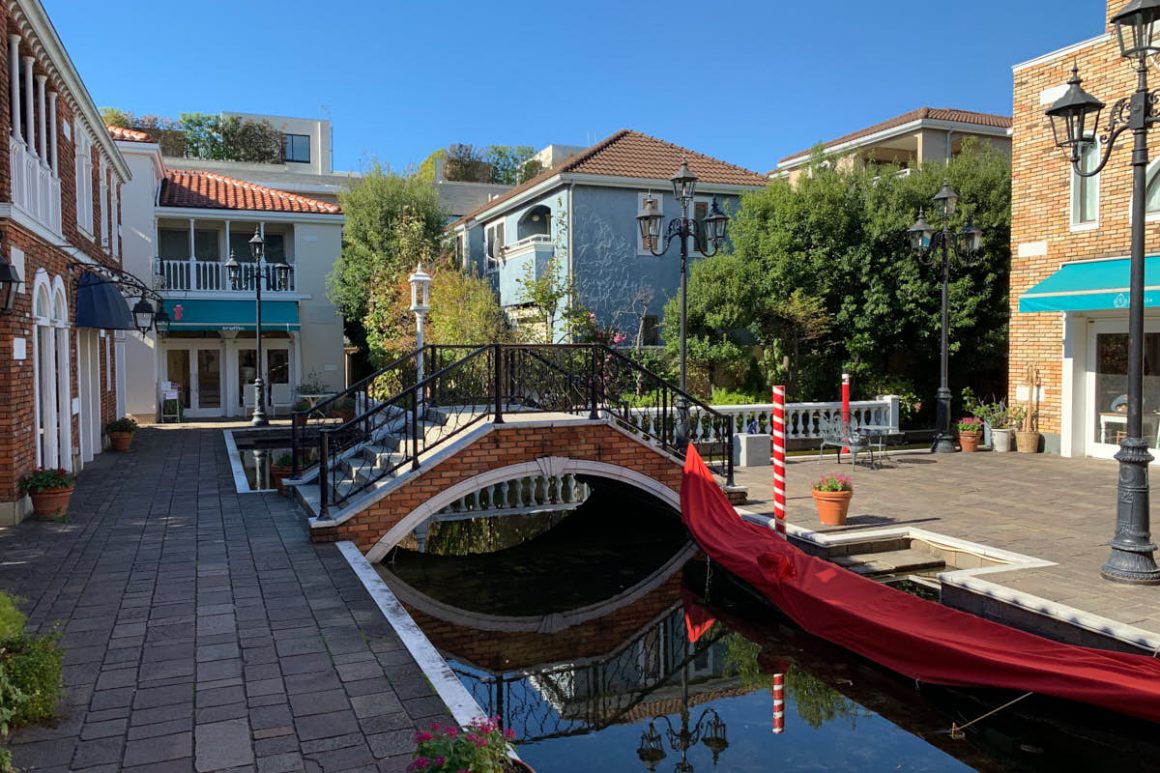
This commitment to quality has established Jiyugaoka as the city’s undisputed sugar capital—a fierce “sweets battleground” where only the most technically proficient pâtisseries survive. A primary landmark is Mont-Blanc, which famously introduced the chestnut cream cake to Japan in 1933, while the recently renovated Jiyugaoka Sweets Forest offers a high-energy immersion into avant-garde fusion treats. This cosmopolitan atmosphere reaches its aesthetic peak at La Vita, a miniature Venetian-style piazza located just north of the station. Featuring a stationary gondola and a classic stone bridge, this architectural “pocket” encapsulates the “Little Europe” charm that makes the district a premier destination for those seeking a sophisticated urban lull.
Traditional Sanctuaries and the Art of Zakka
Despite its Western flair, Jiyugaoka retains a resolute connection to Japanese tradition. Tucked away on a quiet residential street, Kosoan provides a stunning architectural lull; housed in a 1920s residence, this teahouse allows visitors to enjoy matcha while overlooking a meticulously maintained moss garden. Similarly, the 800-year-old Kumano Jinja serves as a green sanctuary in the heart of the district, where local families pay their respects amidst the surrounding fashion houses. For those willing to venture slightly further, a 15-minute walk leads to Joshin-ji Temple (Kuhonbutsu), a massive complex housing nine golden Buddha statues that offer a scale of spiritual grandeur rarely found in such a modern neighborhood.
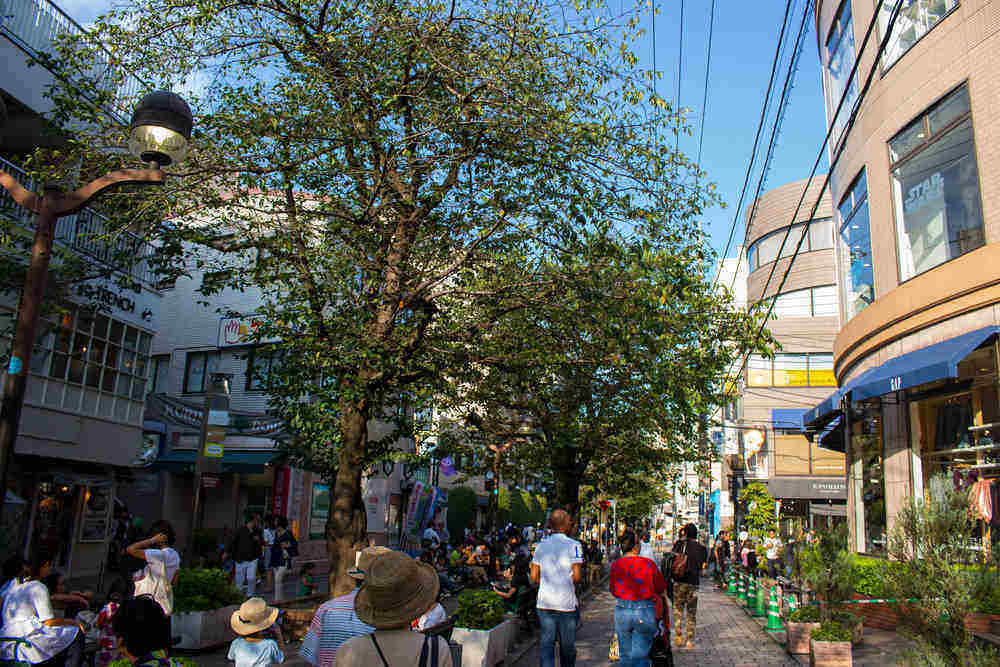
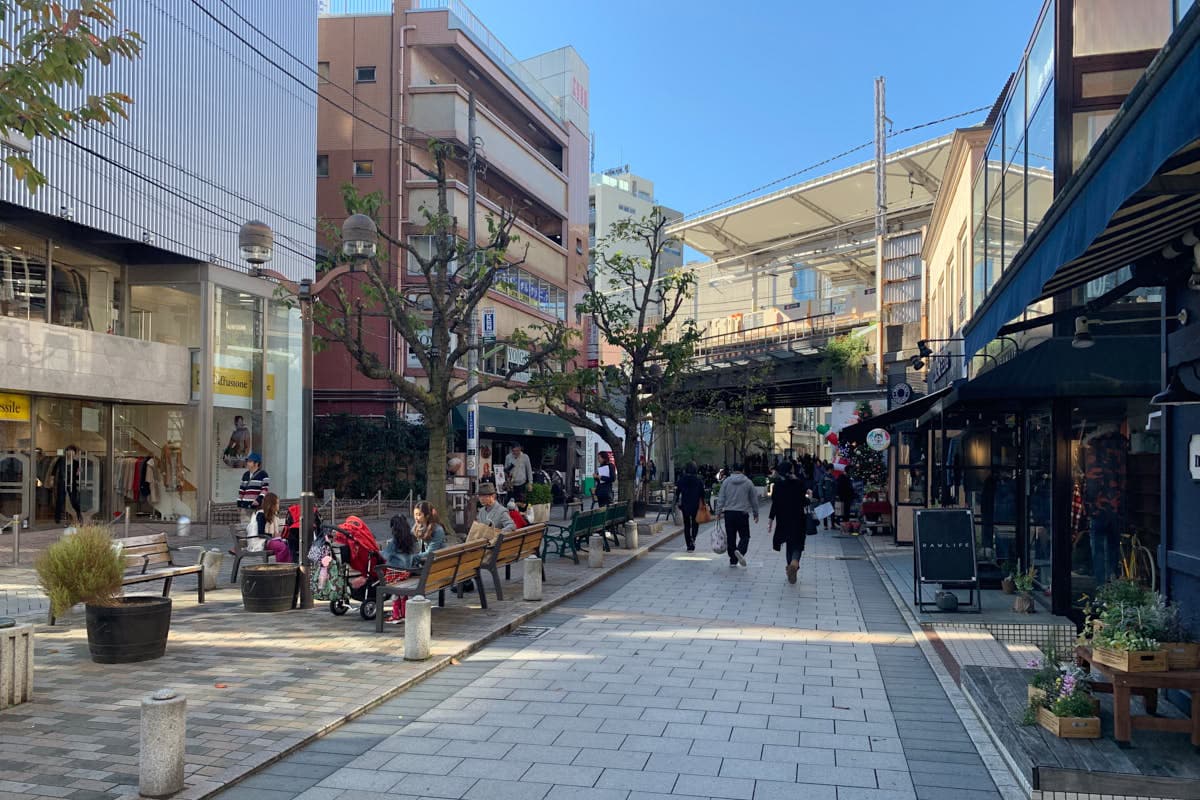
The district is perhaps best experienced via its two main promenades, where the “stroll and shop” culture truly comes alive. The Marie Claire Promenade, lined with cherry trees, acts as a high-fidelity hub for people-watching and “zakka hunting.” In Jiyugaoka, zakka is treated as a high-value pursuit of finding beauty in mundane home goods. Shops like Today’s Special and Ideé Shop offer a curated selection of furniture and kitchenware that define the local lifestyle. Whether you are navigating the historic halls of Kuhonbutsu or the trendy boutiques near the station, Jiyugaoka remains a high-functioning example of how Tokyo balances its cosmopolitan ambitions with a quiet, village-like soul.
| Station | Line(s) | Proximity |
|---|---|---|
| Jiyugaoka | Tokyu Toyoko, Tokyu Oimachi | Central Access |
| Kuhonbutsu | Tokyu Oimachi Line | 10-minute walk west |
| Okusawa | Tokyu Meguro Line | 10-minute walk south |