Daikanyama
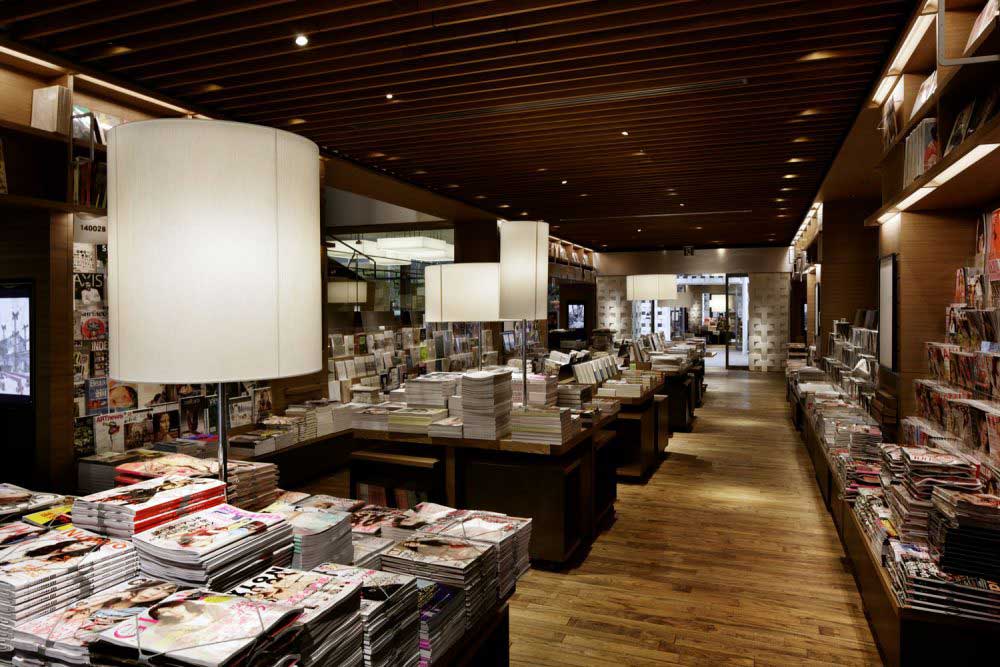
Wedged between the neon-lit chaos of Shibuya and the polished corporate elegance of Ebisu, Daikanyama (代官山) acts as Tokyo’s undisputed capital of “cool.” Often referred to as the “Brooklyn of Tokyo,” this neighborhood eschews the frantic pace of its neighbors in favor of a low-rise, leafy urban experience defined by sophisticated technical ingenuity and a highly curated lifestyle. The aesthetic heart of the district is Daikanyama T-Site, a “cultural forest” wrapped in a lattice of interlocking “T” shapes. Beyond literature, this complex provides a high-fidelity architectural lull, housing the Anjin Library & Lounge where visitors can browse rare art books in mid-century modern surroundings. This commitment to human-centric design is further anchored by Hillside Terrace, a masterclass by Pritzker Prize-winner Fumihiko Maki that bridges the gap between public and private spaces with its low-slung, white galleries and sunken courtyards.
The district’s talent for urban “upcycling” is best exemplified by Log Road Daikanyama, a 220-meter pedestrian stretch built on former railway tracks. This lushly landscaped strip features Scandinavian-style wooden cottages and Spring Valley Brewery Tokyo, a craft beer sanctuary where experimental brews are served alongside views of open fermentation tanks. While Harajuku caters to the avant-garde, Daikanyama remains a resolute guardian of the discerning specialist, particularly in the realms of heritage denim and technical gear. Shops like nanamica and White Mountaineering showcase a uniquely Japanese fusion of high-performance materials and streetwear aesthetics, prioritizing longevity and craftsmanship over the ephemeral nature of fast fashion.
A Sanctuary of Heritage and High-Performance Design
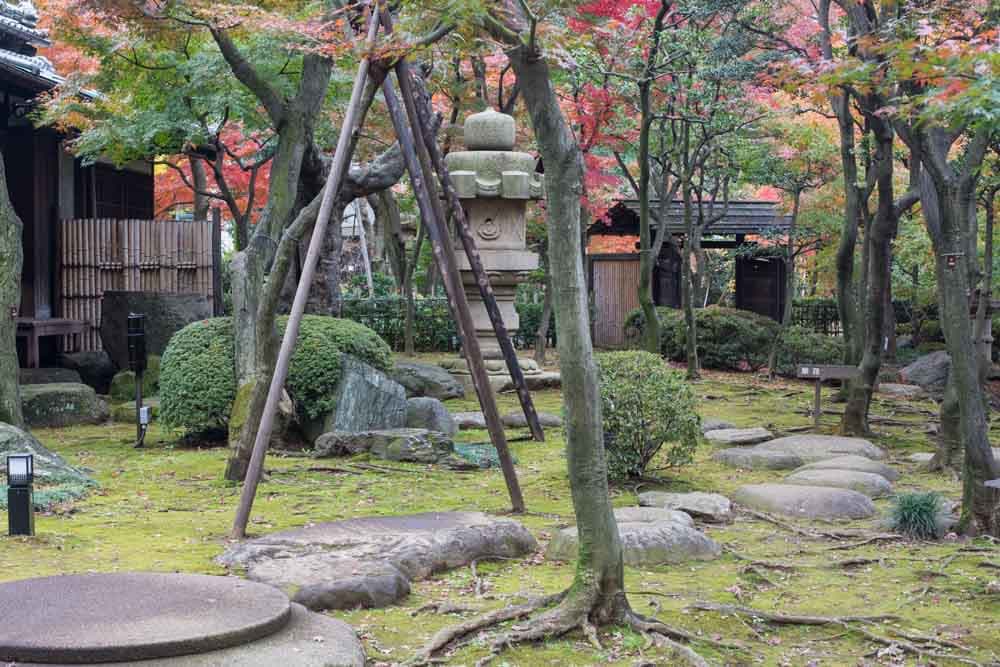
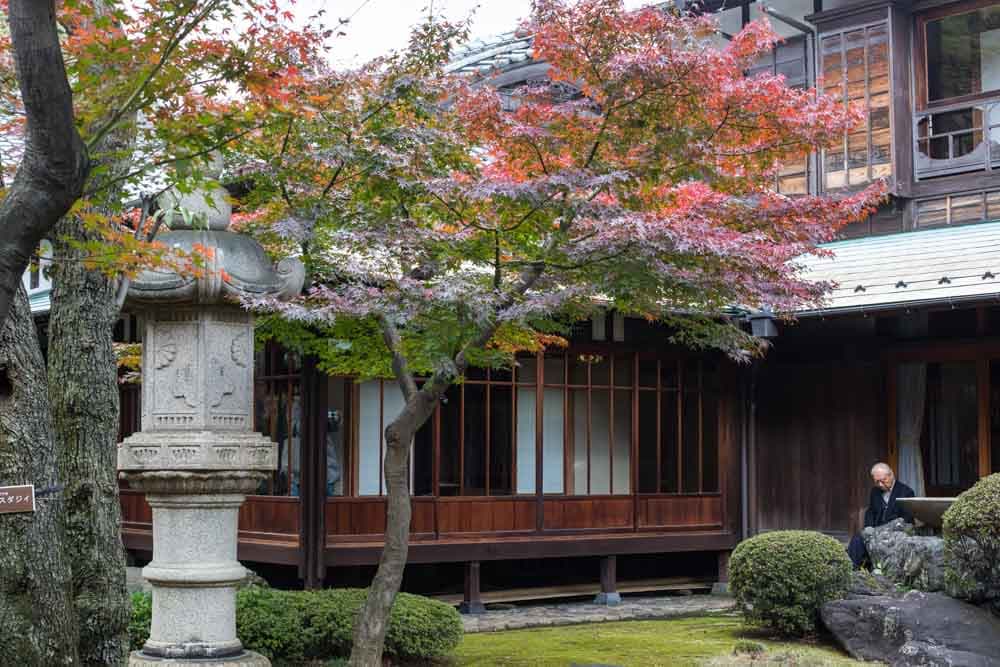
For a quiet moment of reflection, the Kyu Asakura House serves as an essential Taisho-era time capsule. Built in 1919, this silent, wooden sanctuary features traditional tatami rooms that open onto a spectacular circular strolling garden, preserving a high-value aristocratic lifestyle that has vanished elsewhere in the capital. This sense of peace extends to Saigoyama Park, built on a former samurai estate. On clear days, Mount Fuji is visible on the horizon, silhouetted against the urban skyline. It remains a favorite local spot for those seeking a more sophisticated alternative to the crowded banks of the nearby Meguro River, offering one of the best sunset views in central Tokyo.
To experience the area at its best, we recommend a slow-paced Sunday morning exploration. Start with a coffee at T-Site, wander the backstreets of Sarugaku-cho to browse independent labels, and finish with a craft beer at Log Road. Most visitors arrive via the Tokyu Toyoko Line, though the district is a high-functioning midpoint for those walking from Shibuya or Ebisu. Daikanyama is a neighborhood that rewards the curious explorer who travels without a rigid itinerary, allowing the high-quality design and quiet, leafy atmosphere to set a sophisticated pace.
| Station | Line(s) | Best For… |
|---|---|---|
| Daikanyama | Tokyu Toyoko Line | Immediate access to T-Site and main boutiques |
| Ebisu | JR Yamanote, Hibiya Line | Log Road and East-side dining |
| Shibuya | JR, Ginza, Hanzomon Lines | A scenic 15-minute walk via the overpass |
| Nakameguro | Hibiya, Toyoko Lines | Saigoyama Park and the Canal-side walk |