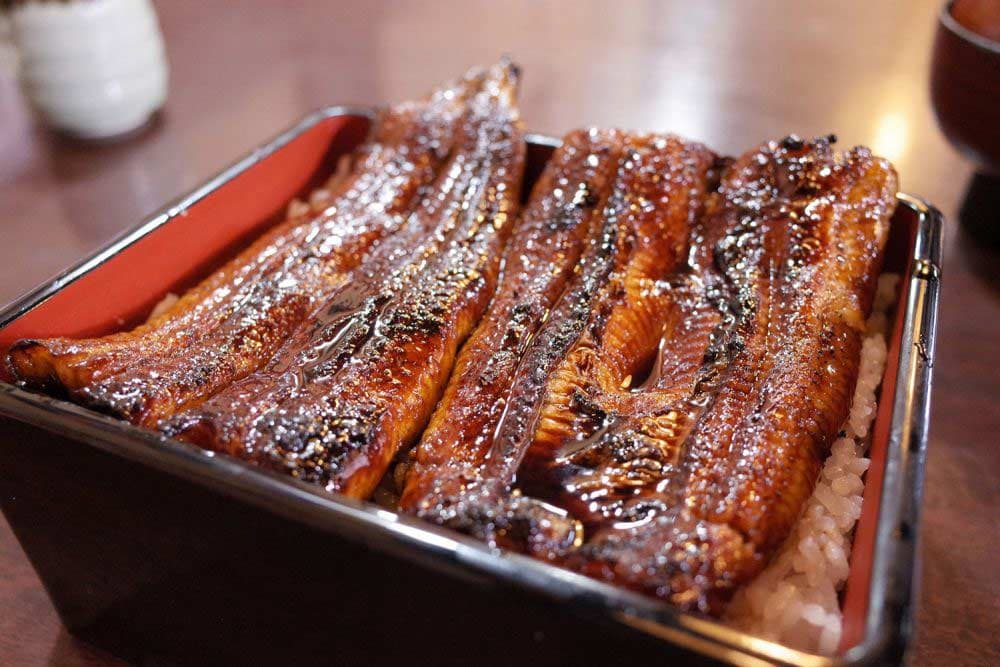
Why Do Japanese Eat Eel in Summer?
At some point around mid-summer, you’ll no doubt notice a fleeting craze among Japanese for eating eel (unagi). This rich, savory dish is a firm favorite, and usually, it is only the premium price of the fish that prevents people from visiting unagi restaurants more often. The day to watch for in the summer is The Day of the Ox—specifically the one that falls during the doyo period (土用の丑の日). Because this date is based on the lunar calendar and the 12-day zodiac cycle, the exact day shifts every year.
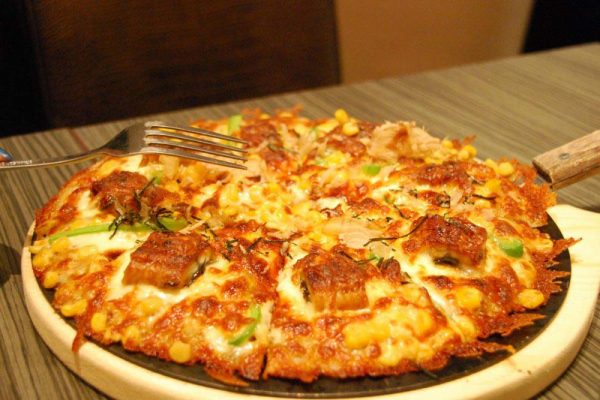
While many locals believe that eel provides relief from the sweltering “summer slump” (natsubate), you might wonder how a heavy dish of grilled eel on warm rice helps counteract high humidity and soaring temperatures. While the custom has deep roots in clever Edo-period marketing, there is a surprising mix of ancient philosophy and modern science behind it.
The Philosophy: Doyo and the Five Elements
According to the Chinese philosophy of yin and yang, the universe consists of five elements: wood, fire, earth, metal (gold), and water. Traditionally, each of the four seasons is associated with one element: Spring is Wood, Summer is Fire, Autumn is Metal, and Winter is Water. This left “Earth” without a dedicated season. To resolve this, ancient philosophers assigned “Earth” to the 18-day transition periods between seasons.
These windows are known as doyo (土用). While there are four doyo periods a year, the summer one is the most famous because it coincides with the hottest weeks of the year. The “Day of the Ox” refers to the 12-day cycle of the Chinese Zodiac. Because the doyo period lasts 18 to 19 days, it will always contain at least one Day of the Ox—and occasionally two.
The Marketing: The Tale of Hiraga Gennai
The most famous explanation for the unagi craze dates back to the mid-18th century. Legend has it that Hiraga Gennai, a famous Edo-period polymath, was approached by an unagi shop owner who was struggling to sell heavy, oily fish during the summer heat. Gennai suggested a clever marketing ploy: he told the owner to hang a sign outside claiming that because it was the “Day of the Ox” (ushi no hi), people should eat “u-foods” (foods beginning with the letter ‘U’) to ward off the heat.
This encouraged people to eat unagi, alongside other cooling or stamina-building “u” foods like umeboshi (pickled plums) and udon. The campaign was so successful that other shops mirrored it, cementing a national tradition that persists to this day.
The Science: Why it Actually Works
Though Gennai’s advice may have been a gimmick, his choice of fish was accidentally brilliant. Eel is packed with Vitamins B1, B2, A, and E. Vitamin B1, in particular, is essential for helping the body break down carbohydrates into energy—exactly what the body struggles to do during natsubate (summer fatigue). While a warm bowl of rice might seem heavy, the nutritional boost from the unagi is one of the most effective natural ways to restore energy lost to the intense humidity.
| The Summer Doyo Cycle | |
|---|---|
| Summer Doyo Period | The 18-day period immediately preceding the start of Autumn (Risshu), typically late July to early August. |
| Day of the Ox | The specific day(s) within that 18-day window that align with the “Ox” sign of the 12-day zodiac cycle. |
| Traditional Practice | Consuming stamina-building foods, primarily grilled eel (kabayaki), to prepare for the end of the summer heat. |