Tips on Etiquette & Customs in Japan
“Polite” and “Japan” are synonymous for many outside of the country, and it is true that by Western standards, the customs of how and how not to act are quite rigidly defined. While there is no need to worry that you might inadvertently offend someone, remembering the following will go a long way in showing respect for the local culture.
No Shoes in the House
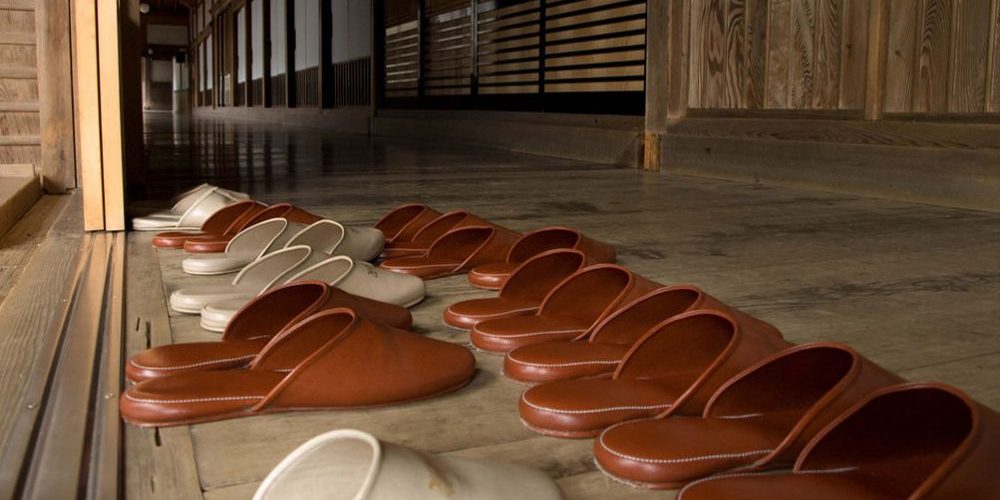
It is customary in Japan to remove your shoes before entering someone’s house. All homes have a genkan (porch area) where you leave your outdoor shoes and change into slippers. This custom extends to traditional restaurants, izakaya, and onsen. In modern 2026 facilities, you will often find electronic lockers specifically for shoes near the entrance.
Tattoos
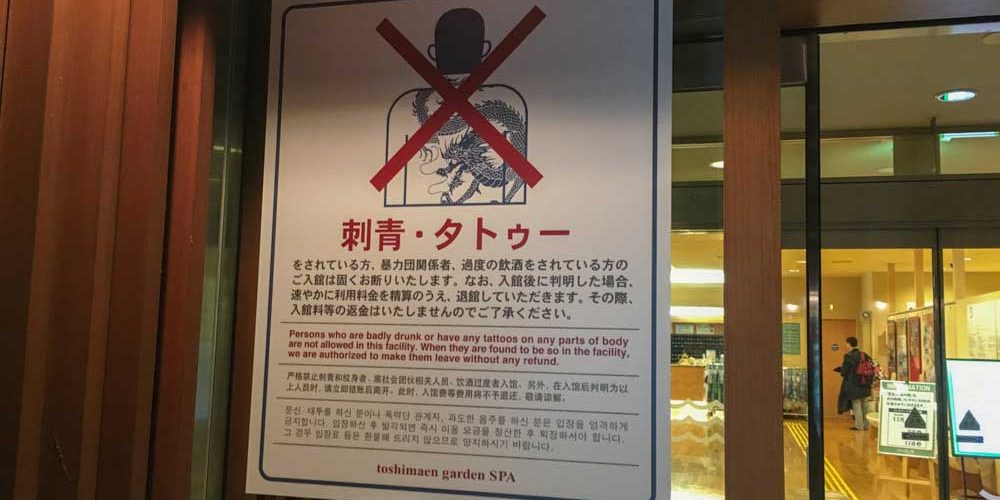
Historically, tattoos were associated with the yakuza or the marking of criminals in the Edo period. Consequently, many hot springs (onsen) and gyms still prohibit visible ink. However, as of 2026, the policy is softening. Many international-friendly facilities now provide tattoo cover stickers or allow small tattoos to remain visible. It is always best to check the facility’s website in advance.
No Tipping & Payment
There is no custom of tipping in Japan. If you leave money behind, a waiter will likely chase you down the street to return it. Many restaurants serve an o-toshi—an obligatory small appetizer for which a small “table charge” (usually a few hundred yen) is added to the bill. To pay, making an “X” with your index fingers still works, but with the 2026 rise of cashless and QR payments, simply holding up your smartphone is a common way to signal you are ready to settle the tab.
Eating with Japanese Friends
Before eating, it is polite to say itadakimasu (literally, “I humbly receive”). This is an expression of gratitude to the ingredients and the cook. At the end of the meal, saying gochiso-sama deshita is the standard way to express that you enjoyed the “feast.”
Chopsticks
Chopstick etiquette is rooted in funeral rituals. Never stand them upright in a bowl of rice and never pass food directly from one set of sticks to another. When taking food from a shared plate, 2026 hygiene standards favor using serving chopsticks (tori-bashi). The old tip of “flipping your own sticks” to the thick end is now often viewed as unhygienic; it is better to simply ask the staff for an extra pair of serving sticks.
Smoking
The “smoke-filled izakaya” is largely a thing of the past. Under the updated Health Promotion Act, smoking is banned in almost all indoor public spaces, including restaurants and bars. While some venues have dedicated, ventilated smoking rooms, you cannot eat or drink inside them. Additionally, many municipalities impose fines for smoking while walking on sidewalks. Please use the designated smoking booths found near major stations and convenience stores.