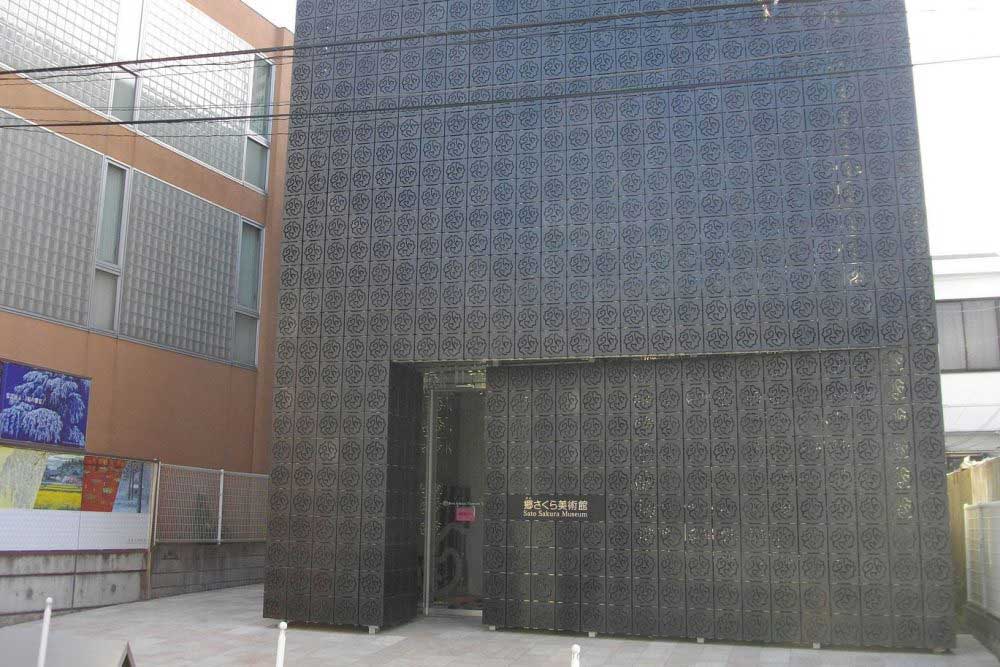
Sato Sakura Museum of Art
The Sato Sakura Museum of Art (郷さくら美術館) is a contemporary sanctuary for Nihonga—traditional Japanese-style painting. While the Nakameguro district is globally famous for the cherry blossoms that line the Meguro River, this museum provides a year-round cultural “lull” where the fleeting beauty of the sakura is immortalized on paper. Originally founded in Fukushima, the museum opened its Tokyo branch in 2012 to showcase large-scale masterpieces that capture the spiritual and aesthetic essence of Japan’s most beloved flower.
The collection is particularly noted for its Screen Paintings, some of which exceed six meters in width. These works are created using classical Nihonga techniques, utilizing natural mineral pigments (iwa-enogu), gold leaf, and traditional washi paper. The museum hosts four to five curated exhibitions annually, rotating its vast archive to explore different seasonal themes and the technical evolution of modern Nihonga artists. The permanent Sakura Room is a highlight, offering a panoramic immersion into blossom-filled landscapes regardless of the actual season outside. With its sleek, black-tiled facade and intimate gallery spaces, the museum offers a refined perspective on how ancient artistic traditions continue to flourish in modern Tokyo.
| Visitor Information | |
|---|---|
| Address | 1-7-1 Kamimeguro, Meguro-ku, Tokyo 153-0051 (Google Maps) |
| Opening Hours | 10:00 AM – 6:00 PM (Entry until 5:30 PM) Closed: Mondays (Open if holiday, closed next day) |
| Price | ¥500 (Adults), ¥300 (University/HS), Free (Jr. High & under) |
| Website | Visit Website |
| Access | ||
|---|---|---|
| Station | Line(s) | Access Details |
| Nakameguro Station | Tokyu Toyoko / Hibiya Lines | 5-minute walk from the Main Exit |
| Daikanyama Station | Tokyu Toyoko Line | 10-minute walk |