Kobe
Kobe (神戸) is one of Japan’s largest cities and the capital of Hyogo Prefecture. It is located on the southern side of the main island of Honshu, approximately 30 kilometers west of Osaka. Characterized by its narrow geography, the city is famously sandwiched between the Rokko mountain range to the north and the busy waters of the Seto Inland Sea to the south. This unique layout has defined Kobe’s development as a vertical city, where many residential areas offer expansive views of the harbor and the bay beyond. Historically, the city has served as a vital maritime gateway, facilitating the movement of goods and people for over a millennium.
Long considered one of Japan’s most attractive cities, Kobe has played an important role in the country’s history and development. It was one of the first ports—along with Yokohama and Nagasaki—to allow trade with the outside world following the end of Japan’s sakoku (seclusion) policy in 1868. Kobe’s cosmopolitan feel is a direct legacy of this period. For decades, foreign merchants and diplomats from Europe and the Americas settled here, leaving behind a distinct architectural and cultural footprint that sets the city apart from its more traditional neighbors, Kyoto and Nara. This international influence is still visible today in the city’s diverse culinary scene and its varied architectural styles.
Kobe’s Cultural Landmarks and Sightseeing Districts
The waterfront area, particularly Meriken Park and Harborland, serves as the city’s modern center. Meriken Park is home to the iconic red-lattice Kobe Port Tower and the Kobe Maritime Museum, whose white framework is designed to resemble the sails of a ship. This area also contains the Great Hanshin Earthquake Memorial Park, a preserved section of the damaged quay left as a reminder of the 1995 disaster and the city’s subsequent resilience. Across the water, Harborland provides a mix of shopping and dining complexes, including the Mosaic ferris wheel, which remains a focal point of the city’s evening skyline. The area is a popular gathering spot for both locals and tourists seeking a maritime atmosphere within the urban environment.
Inland from the harbor, the Kitano-cho district offers a glimpse into Kobe’s international past. Situated at the foot of Mount Rokko, this neighborhood contains several dozen ijinkan, or former foreign residences, built during the Meiji and Taisho eras. Many of these Western-style houses, such as the Weathercock House and the Uroko House, are open to the public as museums. The steep, winding streets of Kitano are lined with boutiques and cafes, maintaining an atmosphere that feels notably European. This neighborhood contrast highlights Kobe’s ability to blend Western influences with Japanese sensibilities, a theme that carries over into the city’s many religious sites and public parks.
Kobe’s cultural diversity is further exemplified by Nankinmachi, one of Japan’s three major Chinatowns. Established by Chinese merchants shortly after the port opened, the district is now a vibrant center for street food and tourism. Visitors can sample steamed buns and various regional specialties while navigating the dense crowds beneath ornate traditional gates. Nearby, the Motomachi shopping arcade offers a more local retail experience, stretching over a kilometer toward the Sannomiya district, the city’s primary transportation and business hub. Sannomiya acts as the heart of the city, connecting the various sightseeing districts through an efficient network of trains and subways.
Culinary reputation is a significant draw for the city, most notably for Kobe Beef. This highly marbled Wagyu is produced from Tajima cattle raised in Hyogo Prefecture and must meet strict grading standards to carry the Kobe name. Beyond its beef, the city is also home to the Nada Sake District. Nada is Japan’s top sake-producing region, accounting for approximately 25% of the country’s total output. The area’s success is attributed to “Miyamizu,” a mineral-rich water source, and the availability of high-quality rice. Several historic breweries in the district, such as Hakutsuru and Kikumasamune, operate museums where visitors can learn about traditional brewing methods and sample various grades of sake.
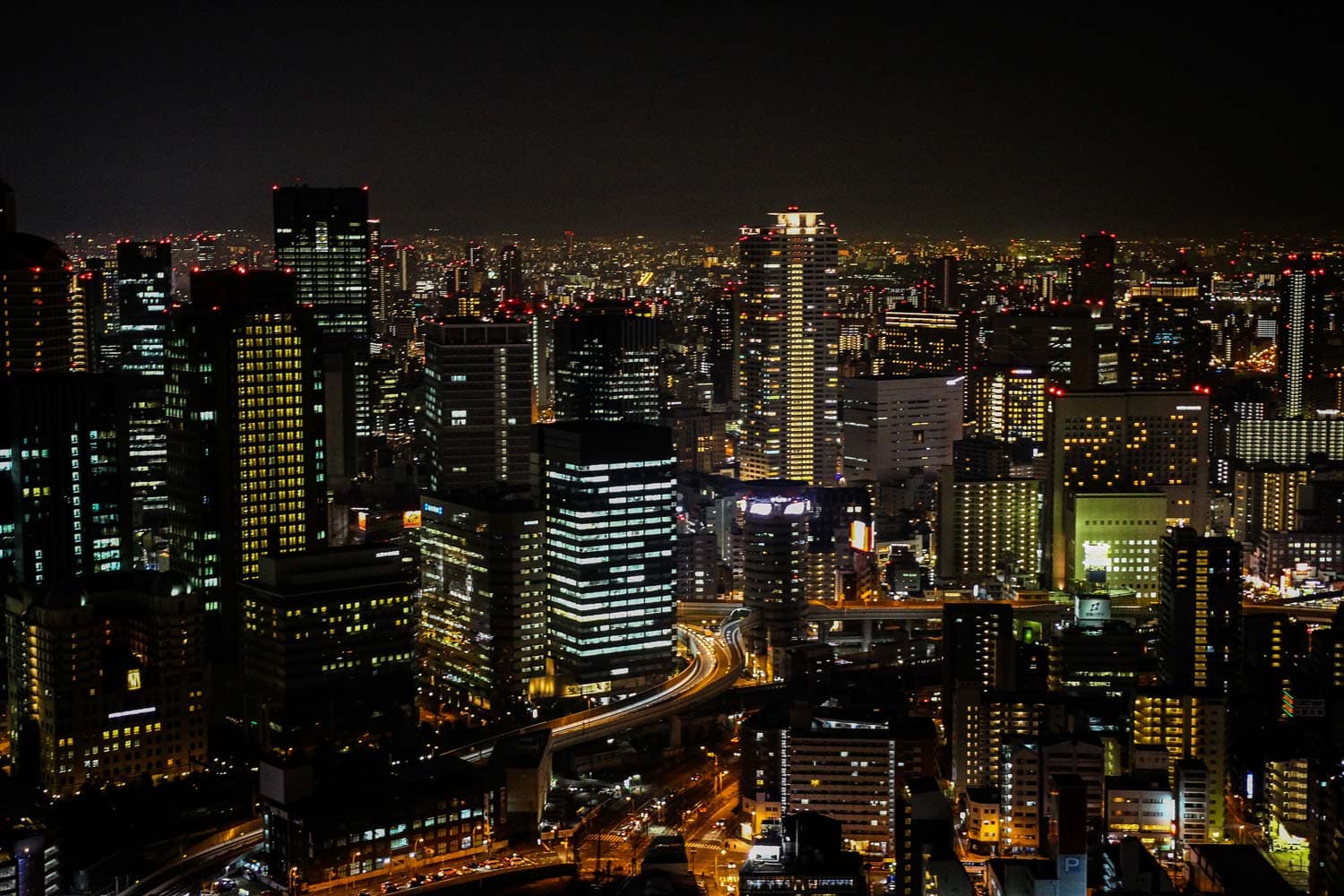
For those seeking nature, Mount Rokko provides a backdrop for hiking and leisure. Accessible via cable car or ropeway, the mountain offers what is locally called the “ten-million dollar view,” a panoramic look at the illuminated urban sprawl of Kobe and Osaka at night. On the mountain’s slopes, the Nunobiki Herb Gardens and the Nunobiki Falls offer a retreat from the city’s industrial pace. On the northern side of the range lies Arima Onsen, one of Japan’s oldest and most prestigious hot spring resorts. Known for its “gold” and “silver” mineral waters, Arima has hosted emperors and shoguns for over a millennium, providing a traditional counterpart to Kobe’s modern, maritime identity.