Akasaka Palace
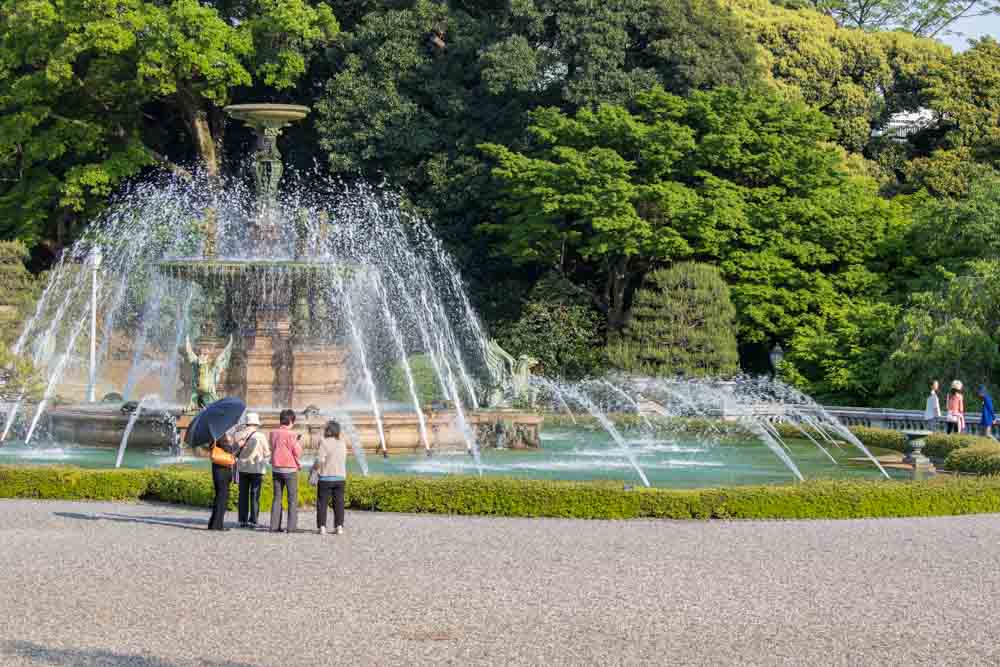
Usually, the best view you get of Akasaka Palace is from peering through the pristine white gates of the main entrance, but throughout much of the year, the main house, garden, and Japanese-style annex (Yushin-tei) are open to the public. As the official State Guest House (Geihinkan), the palace serves as the primary residence for visiting heads of state and royalty, making a walk through its halls a rare glimpse into the “lull” of high-level international diplomacy.
While the gardens and the Main Building often allow for walk-in visitors outside of peak periods like Golden Week, the Japanese-style annex requires advance registration through the official website. Admission for the annex is granted via a lottery system, with success rates often cited at around one in three. If luck isn’t on your side, however, you can apply again for a future date and hope probability does its magic.
European Grandeur in the Heart of Tokyo
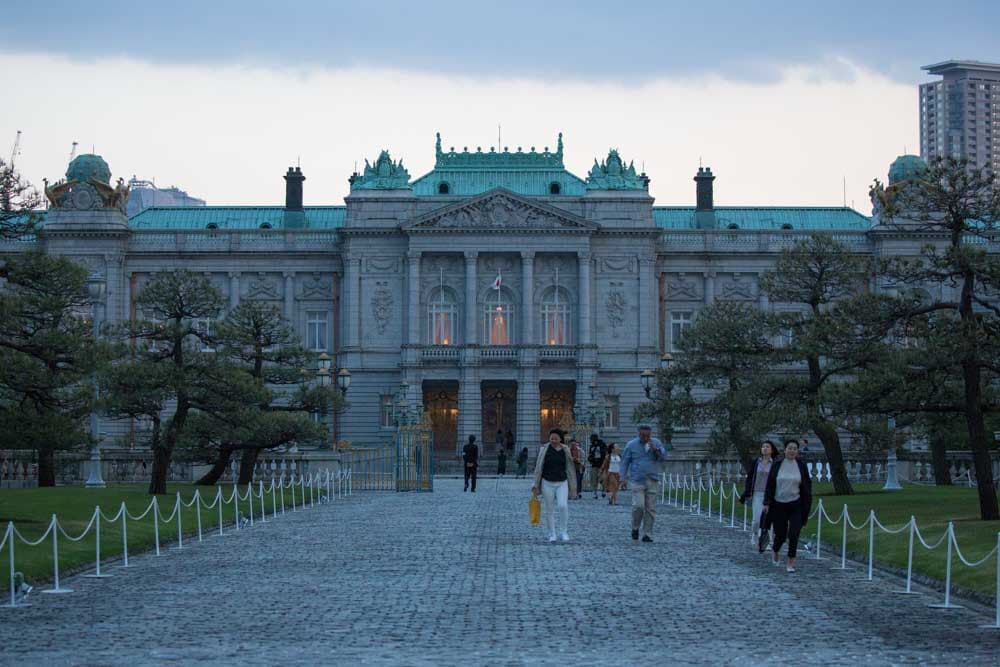
The Main Building is a Neo-Baroque masterpiece completed in 1909, originally intended as the residence for the Crown Prince. It is the only building in Japan modeled after the grand palaces of Europe, such as Versailles and the Hofburg. The tour of the main house is self-guided, but audio recordings describing the history and purpose of the lavish function rooms—such as the Sayo-no-ma and Asahi-no-ma—are played throughout (English audio guides are also available for a separate fee). Each room is a masterclass in gilded relief, crystal chandeliers, and oil paintings that blend Western techniques with Japanese motifs.
Yushin-tei: Modernity Meets Tradition
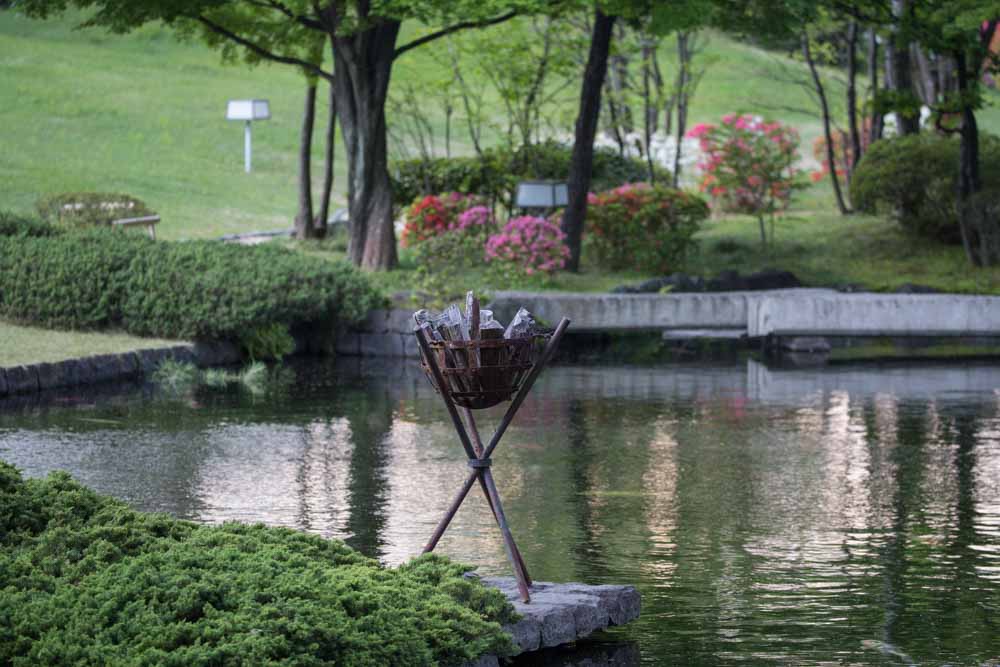
The tour of the Yushin-tei is highly recommended and lasts about 30 minutes. This annex was added in 1974, designed by the renowned architect Yoshiro Taniguchi. It represents a “modern-traditional” aesthetic, utilizing concrete and glass to house serene Japanese spaces. Today, it is used to wine and dine foreign dignitaries in an environment of Omotenashi (hospitality), where partners of dignitaries can experience cultural arts like the tea ceremony or kimono-wearing. The guided tour winds past a tranquil carp pond and a meticulously raked stone garden, passing through the main entertaining room and the private kitchen area.
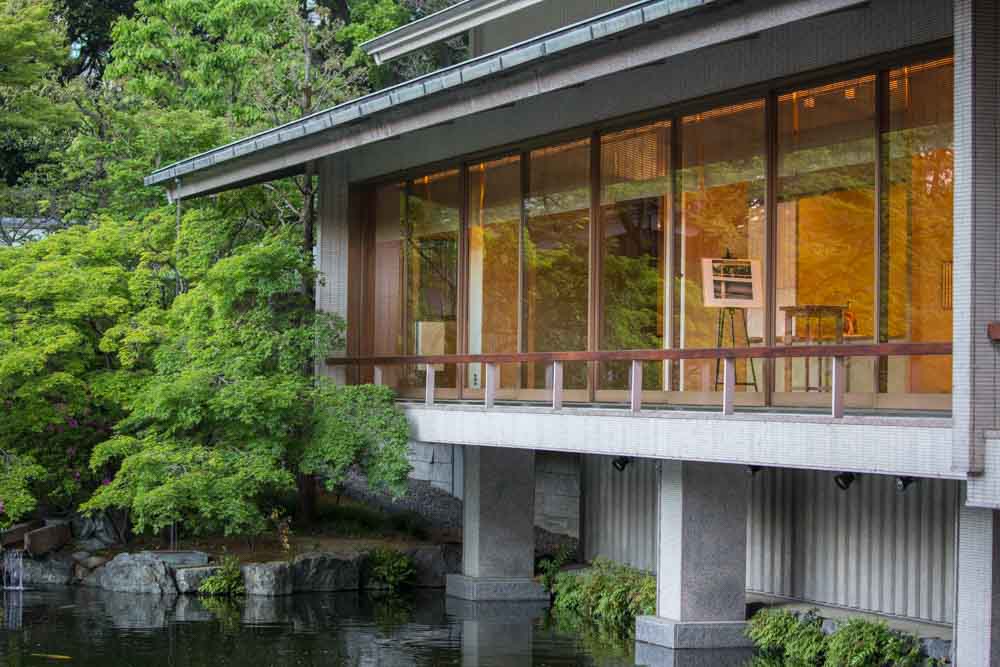
English guided tours for the annex are available, but for those with even basic Japanese skills, the native tour is often easier to follow; simultaneous translations in English can occasionally be difficult to track as guides speak over one another. Please note that photography is strictly prohibited inside both the Main Building and the Annex to preserve the security and integrity of the state facility.
| Visitor Information | |
|---|---|
| Address | 2-1-1 Akasaka, Minato-ku, Tokyo 107-0051 (Google Maps) |
| Opening Hours | 10:00 AM – 5:00 PM (Last entry 4:00 PM) Closed: Wednesdays and during official state events |
| Price | Main Building & Garden: ¥1,500 Annex & Main Building: ¥2,000 *Child and student discounts apply |
| Website | Visit Official Website |
| Access | ||
|---|---|---|
| Station | Line(s) | Access Details |
| Yotsuya Station | JR Chuo / Sobu Lines | 7-minute walk from the Akasaka Exit |
| Yotsuya Station | Tokyo Metro Marunouchi / Nanboku Lines | 7-minute walk from Exit 1 |