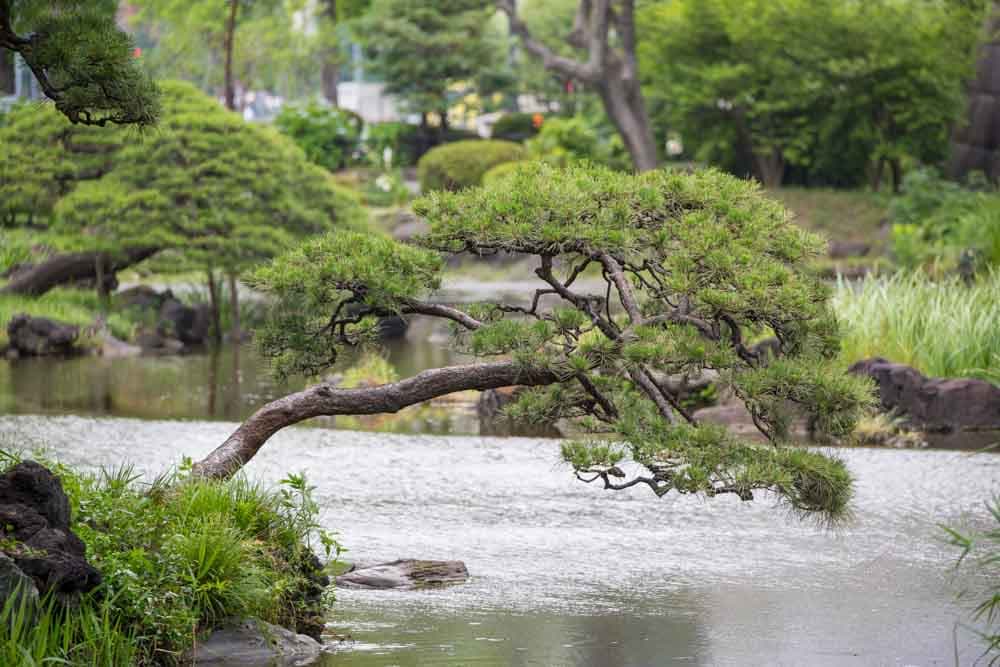
Hibiya Park
Opened to the public in 1903, Hibiya Park (日比谷公園, Hibiya-Kōen) was once the palace grounds of a feudal lord before being converted to military training grounds during the late 19th century. The park contains two open-air concert area, sports facilities, restaurants, and a library. As Japan’s first Western-style “city park,” it marked a significant shift in urban planning during the Meiji era, blending European garden aesthetics with traditional Japanese elements. This unique “vibe” makes it a favorite architectural lull for office workers from the neighboring Ginza and Kasumigaseki districts, resisting the high-energy pace of the surrounding financial towers.
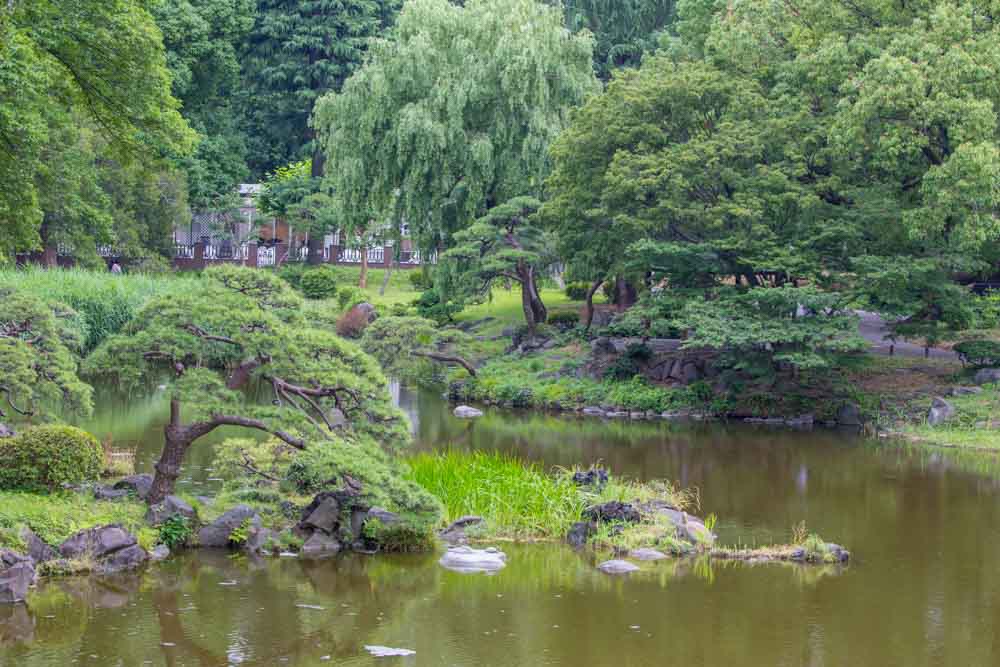
The park is famous for its large flower beds, which provide a rotating display of seasonal colors throughout the year. At its heart lies the “Crane Fountain,” one of the park’s most recognizable symbols, located in the tranquil Shinji Pond. This pond is a rare surviving remnant of the original daimyo garden’s design, featuring a shape that mimics the kanji for “heart.” Surrounding the water, the park’s massive ginkgo trees turn a brilliant gold in late autumn, attracting photographers and nature lovers alike. One of these trees, the “Kubikake Ginkgo,” is over 400 years old and was famously saved from being cut down during the park’s initial construction.
Beyond its natural beauty, Hibiya Park is a resolute guardian of Tokyo’s public culture. The Hibiya Open-Air Concert Hall, affectionately known as “Yaon,” has hosted legendary musical performances for decades. Because of its central location, the park often serves as a hub for various food festivals and cultural events at the large fountain square. Whether you are browsing the historic Hibiya Library or simply enjoying a quiet stroll past the Victorian-style Shisei Kaikan building, the park offers a sophisticated and peaceful retreat in the center of the metropolitan sprawl.
| Visitor Information | |
|---|---|
| Address | 1-6 Hibiyakoen, Chiyoda-ku, Tokyo 100-0012 (Google Maps) |
| Opening Hours | Open 24 hours |
| Price | Free |
| Website | Official Website |
| Access | ||
|---|---|---|
| Station | Line(s) | Details |
| Hibiya Station | Hibiya / Chiyoda / Mita Lines | Direct access from Exits A10 or A14. |
| Kasumigaseki Station | Marunouchi / Chiyoda / Hibiya | 2-minute walk from Exit B2. |
| Yurakucho Station | JR Yamanote / Yurakucho Line | 8-minute walk from the Hibiya Exit. |