Tokyo Auto Salon
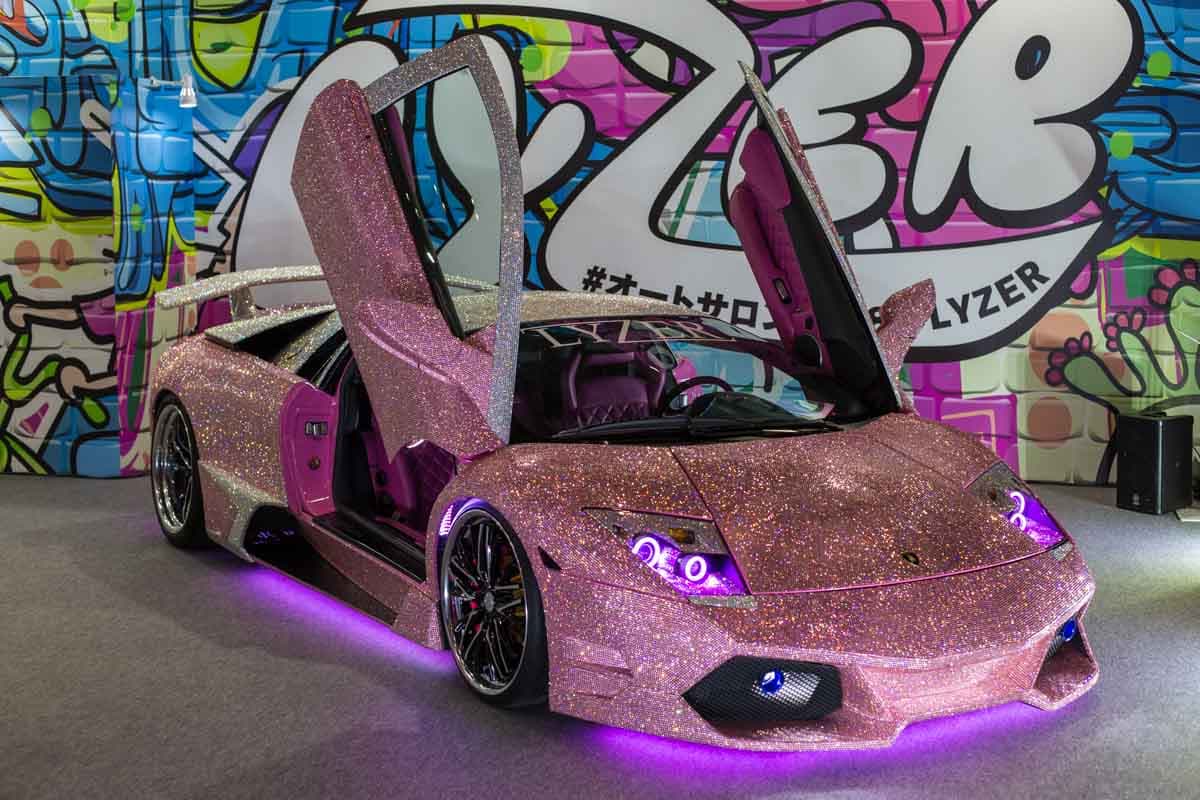
The Tokyo Auto Salon is one of the world’s premier exhibitions for custom cars and automotive tuning, held annually in mid-January. Since its inception in 1983, the event has grown into a massive industry hub, attracting over 300,000 visitors and featuring approximately 1,000 vehicles across thousands of exhibition booths. While the show’s origins are rooted in the “tuning” subculture—focusing on performance modifications and aftermarket parts—it has evolved into a major platform for mainstream manufacturers to debut concept cars, limited-edition sports models, and specialized accessories. The scale of the event is immense, requiring several expansive exhibition halls to accommodate the diverse range of displays, from highly modified “kei” cars and rugged off-road vehicles to luxury supercars and professional drift machines.
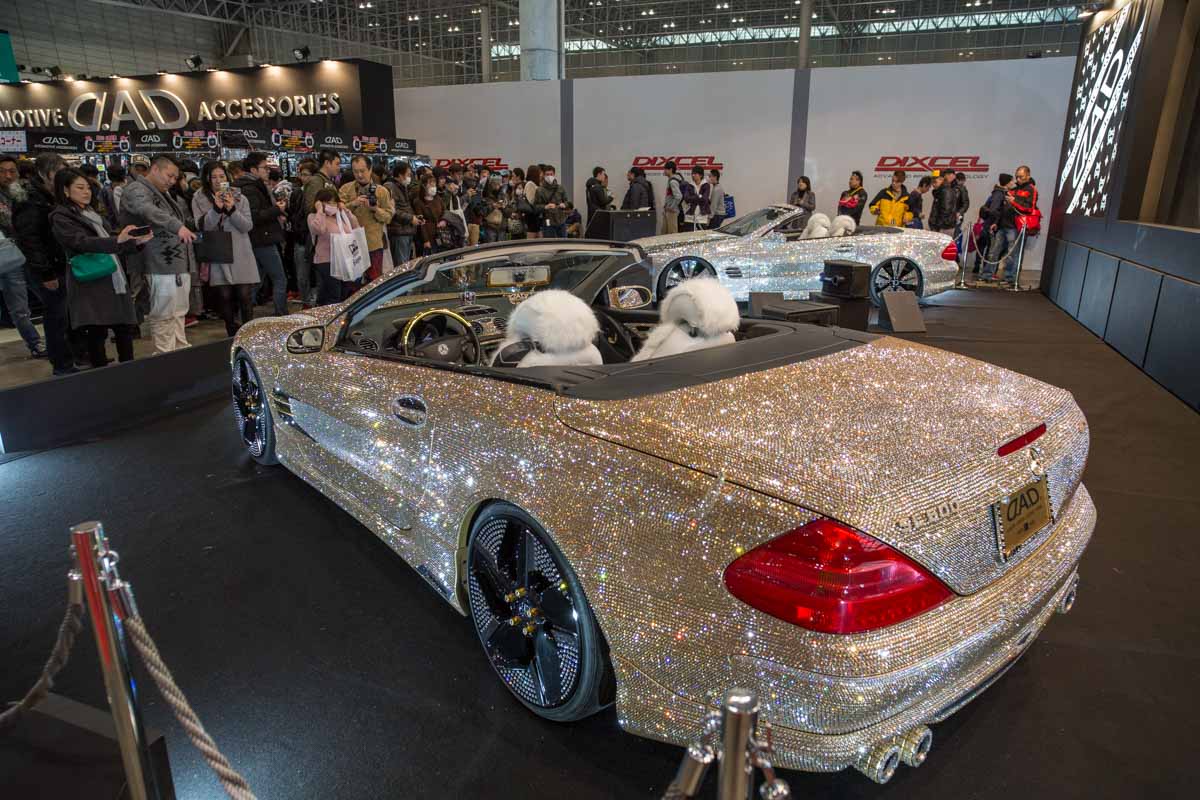
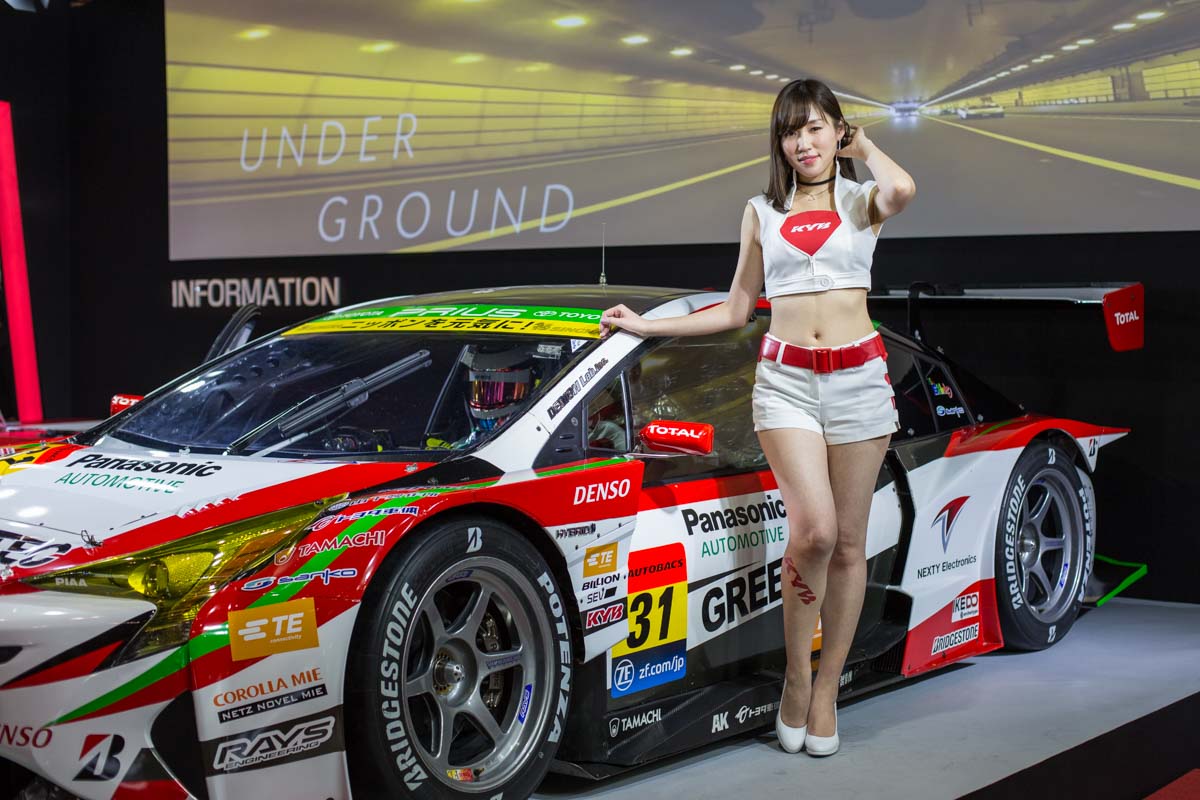
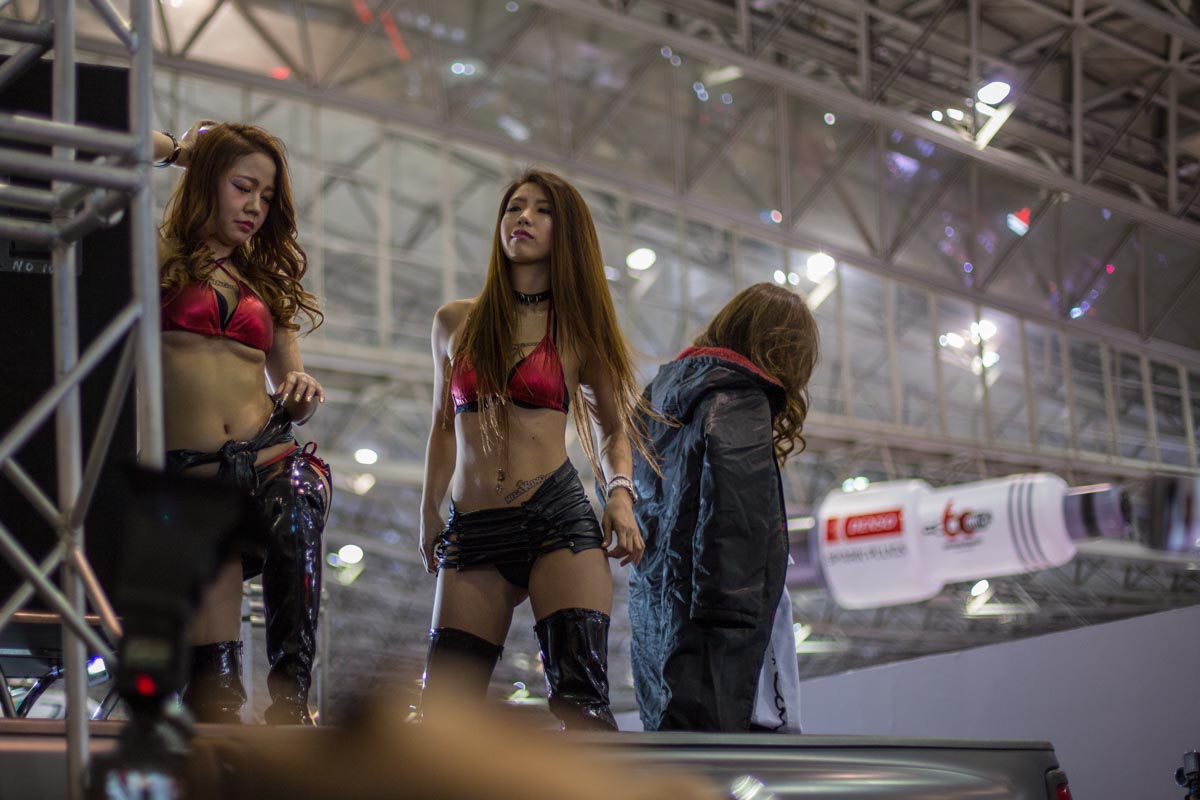
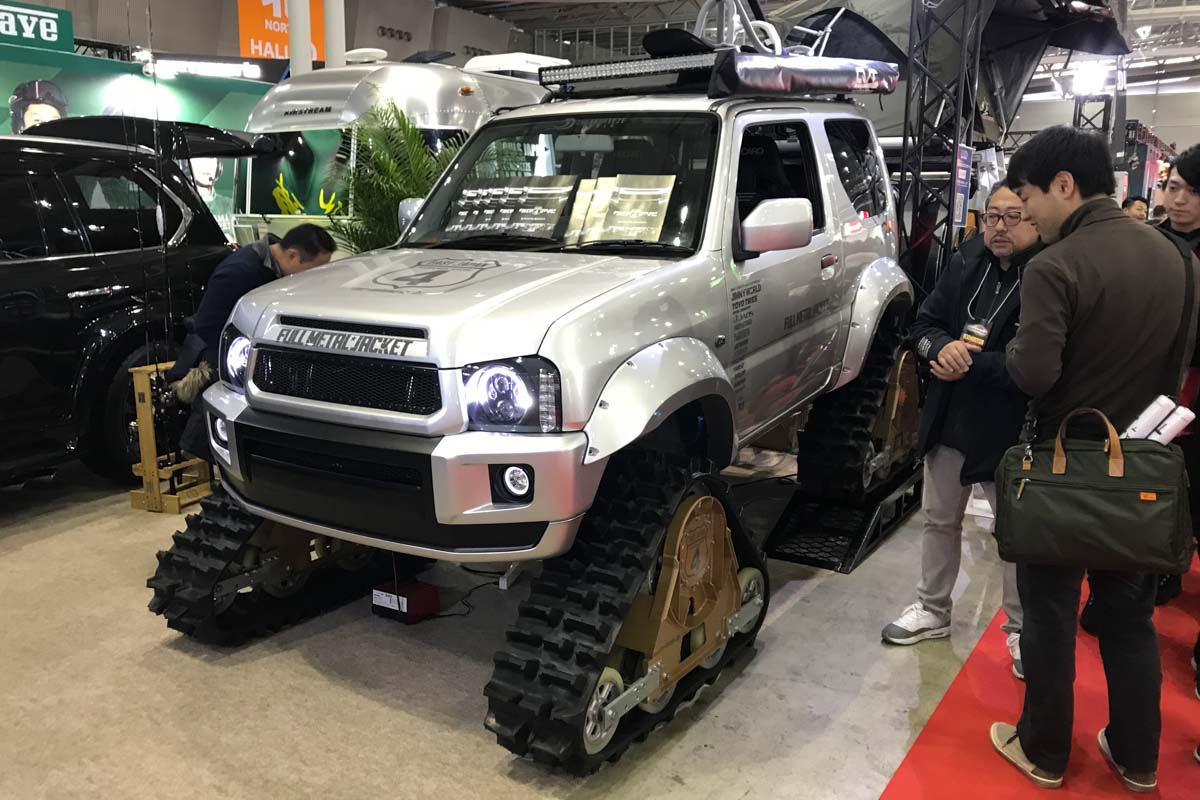
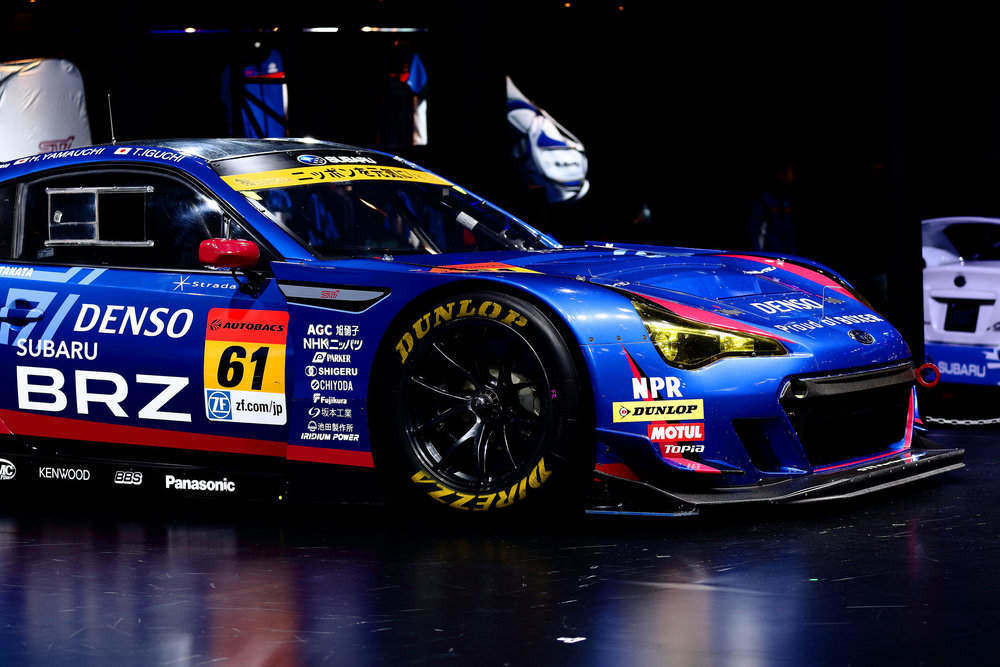
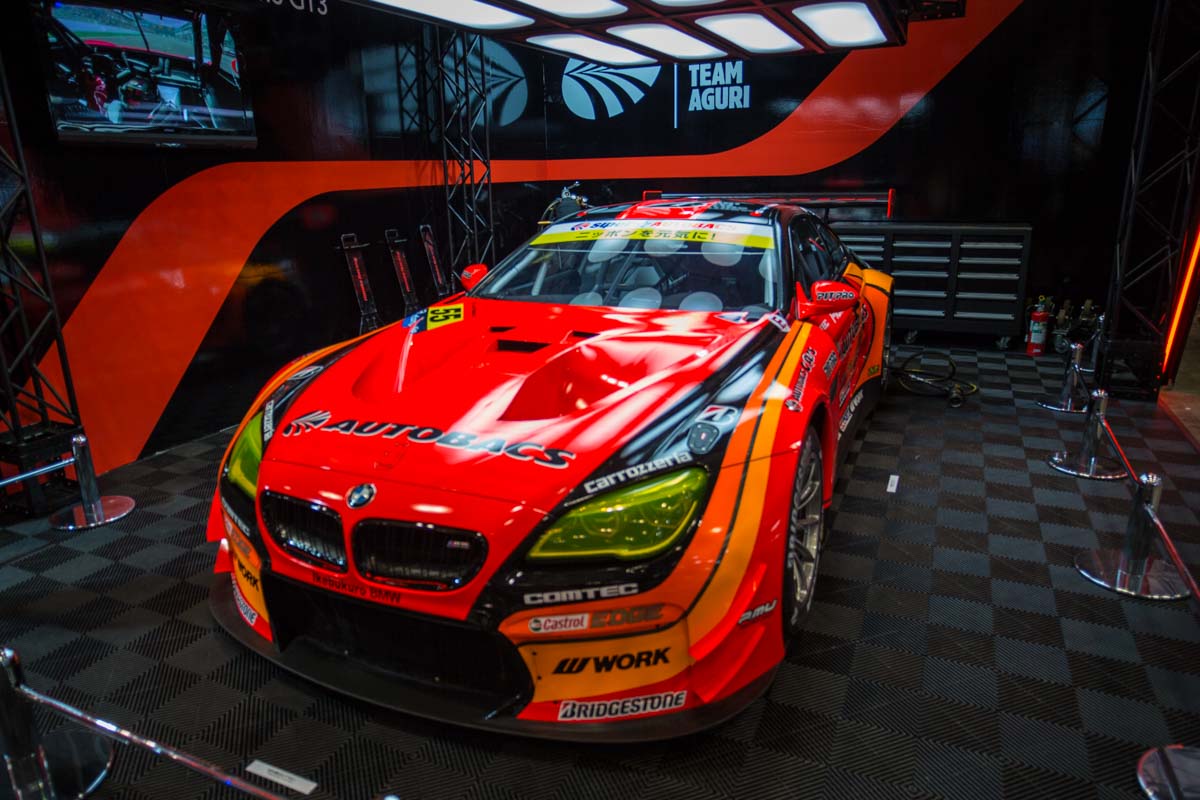

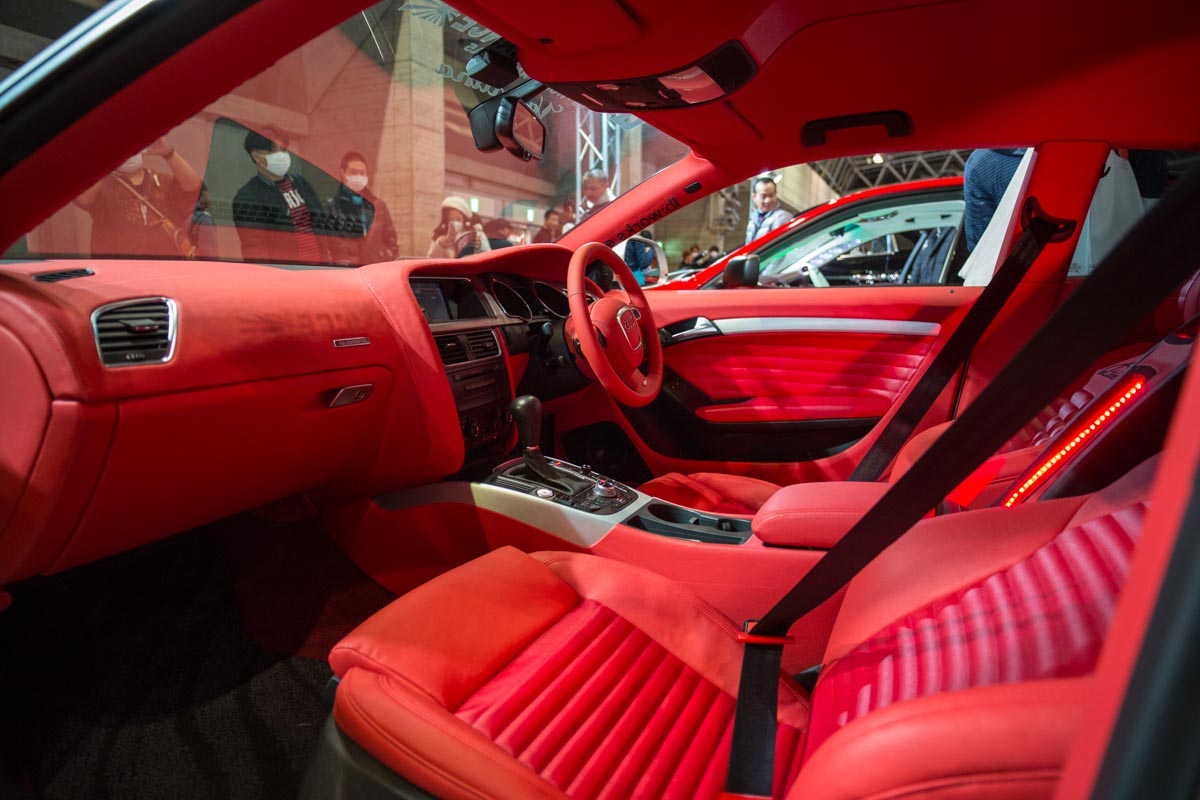

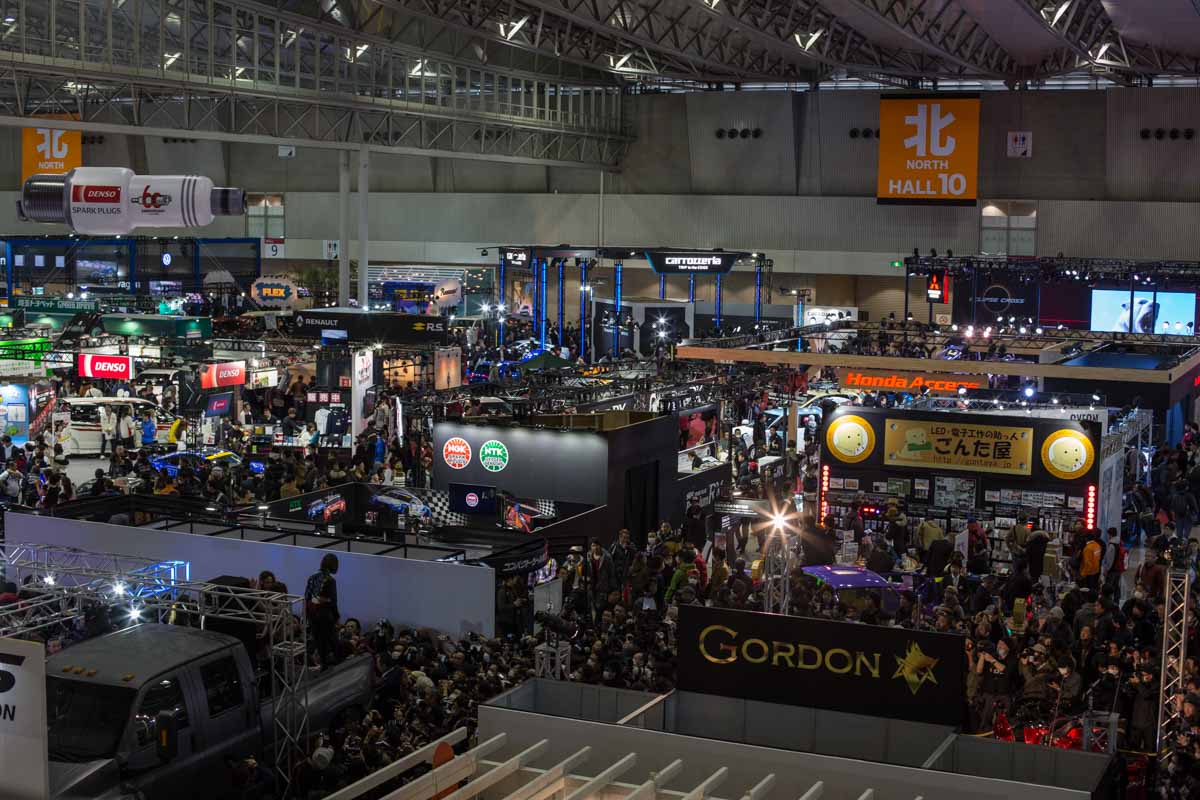
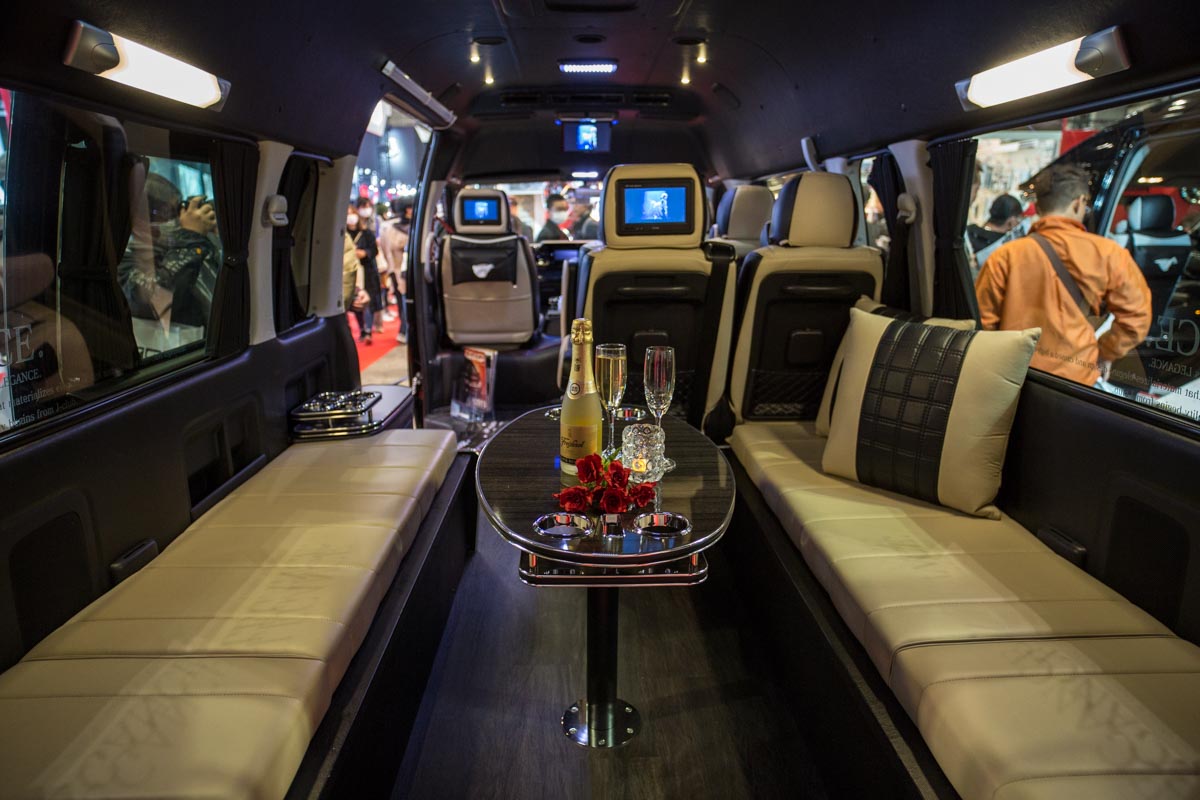
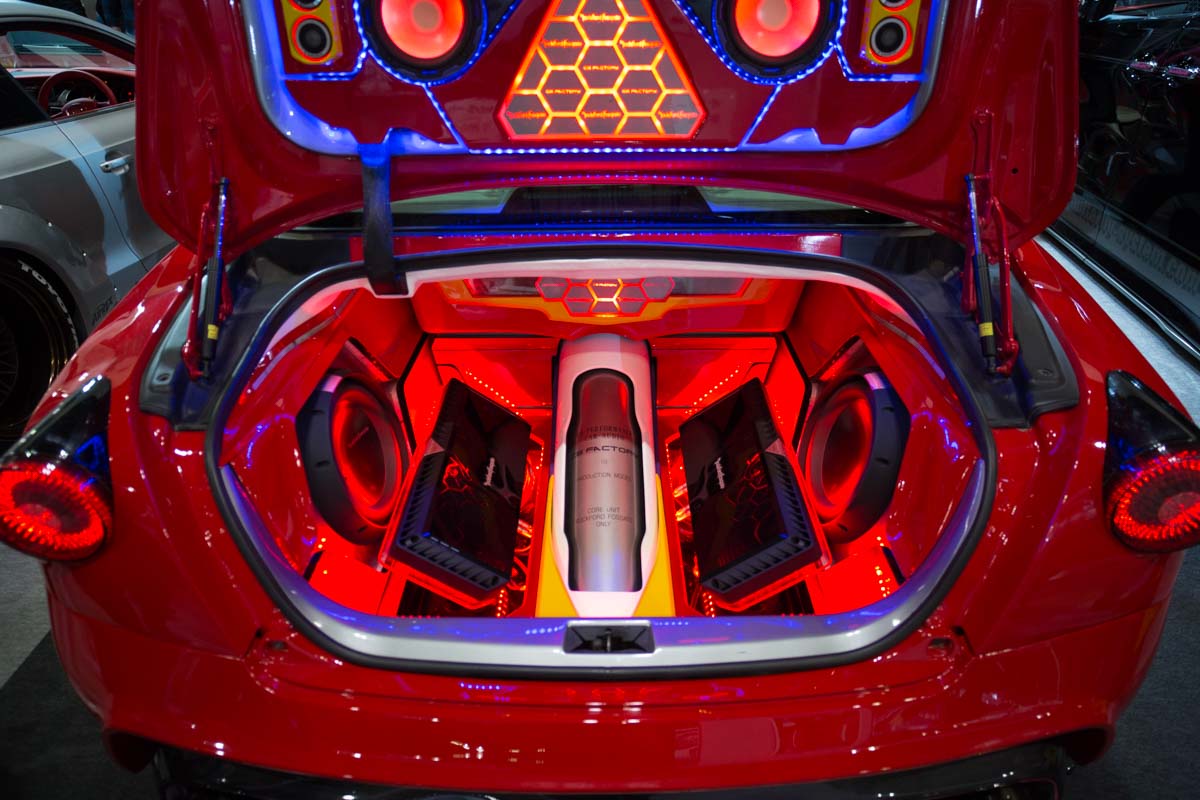
The exhibition is categorized into various sectors, including the International Custom Car Contest, where specialized garages compete for prestigious styling awards. Beyond static displays, the event features an indoor arena for live performances and an outdoor area dedicated to high-performance demo runs, including professional drifting exhibitions. Visitors can explore a vast marketplace of automotive technology, encompassing advanced audio systems, precision tools, and high-end paint and body-work services. In recent years, major domestic and international manufacturers have used the salon to showcase their “performance arms,” integrating factory-backed racing technology with consumer-facing aftermarket customization.
For visitors, attending the Tokyo Auto Salon requires significant preparation. Tickets are typically only available via advanced online purchase and frequently sell out for the most popular weekend dates. Given the vast footprint of the venue—which includes multiple connected halls—it is advisable to plan for a minimum of four to five hours to view the majority of the exhibits. Photography is a central element of the experience, but spectators should be mindful of designated “press-only” times and follow the specific social distancing or queue rules at high-traffic booths. Utilizing public transportation to reach the convention center in the greater capital area is highly recommended, as local parking facilities reach capacity shortly after the doors open. Most independent merchandise vendors operate on a cash-only basis, making it essential to carry sufficient local currency for onsite purchases.
Address2−1 Nakase, Mihama, Chiba, 261-0023, Japan (Google Maps)
CategoryShows & Exhibitions
TagsMotorsport
Official URLOfficial websiteLink