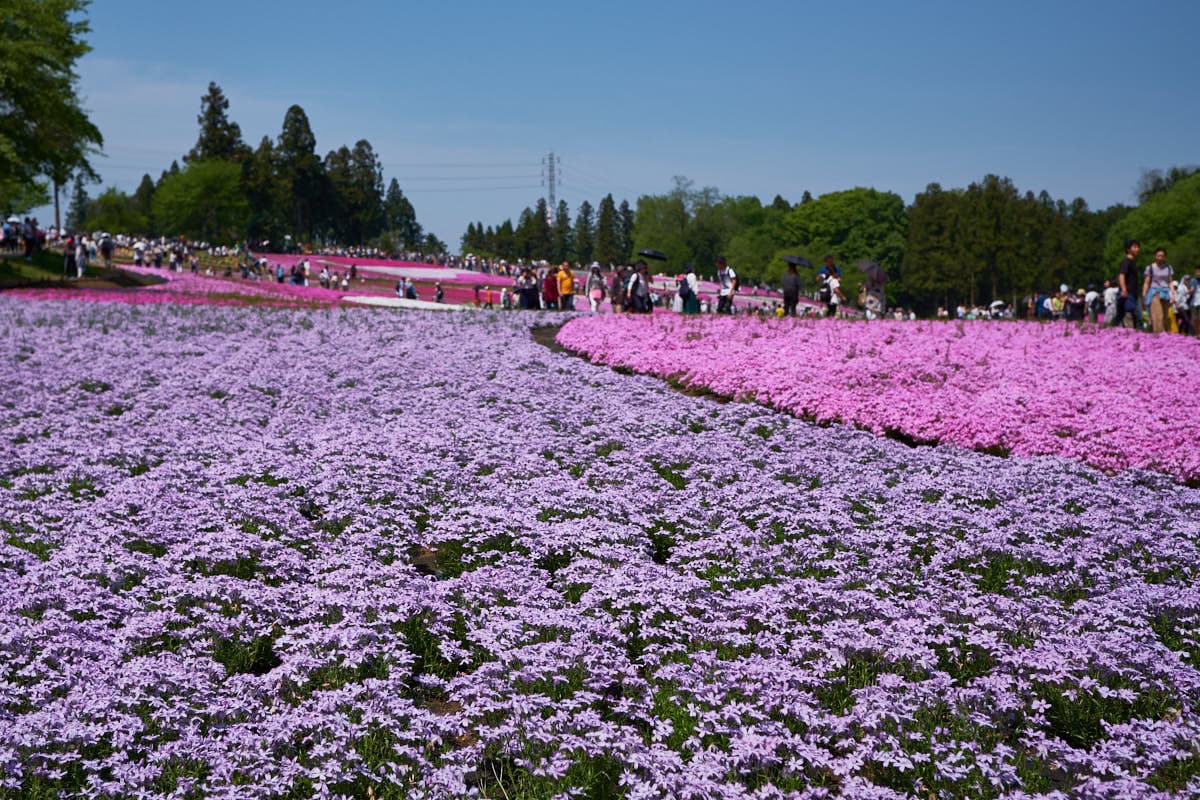
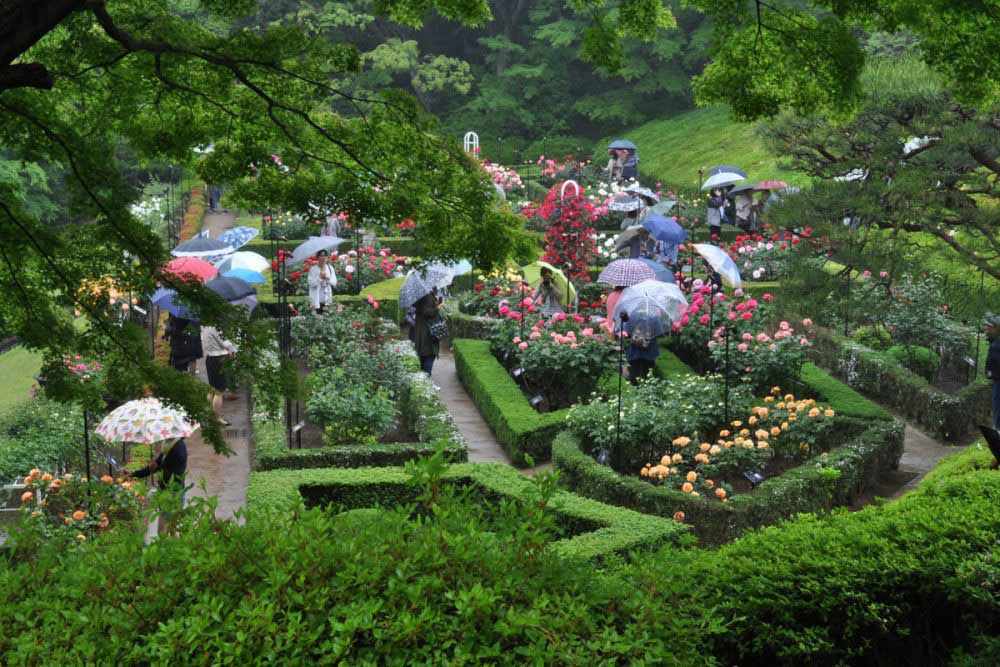
From mid-April until early May, Shibazakura Hill in Hitsujiyama Park transforms into a breathtaking expanse of moss phlox (shibazakura). Spanning 17,600 square ...
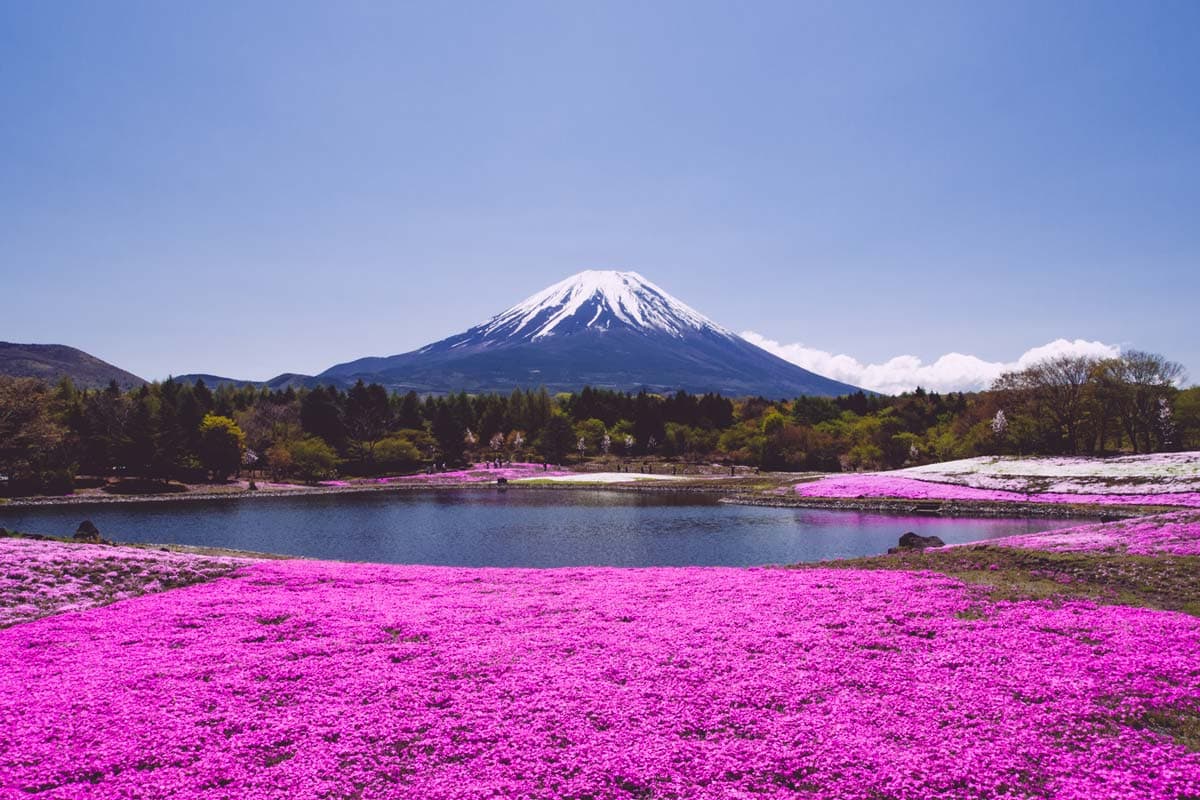
From mid-April through late May, over 500,000 shibazakura (moss phlox) bloom near Lake Motosu in the Fuji Five Lakes region. This creates vibrant carpets of pin...
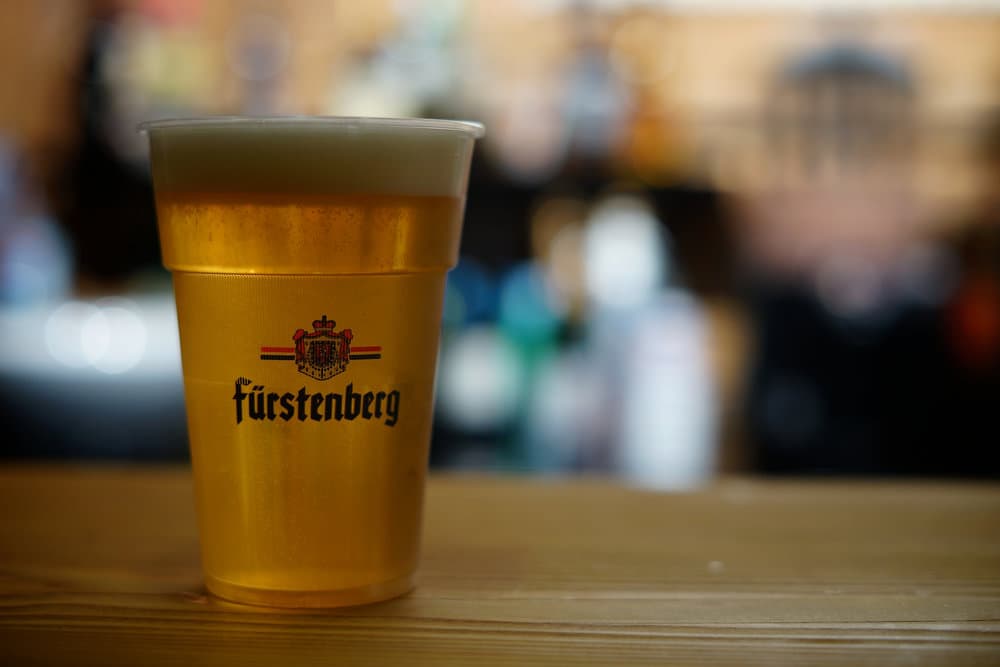
The Yokohama Frühlingsfest brings an authentic German spring festival to the Red Brick Warehouse. This celebration features a 30-meter beer counter serving impo...
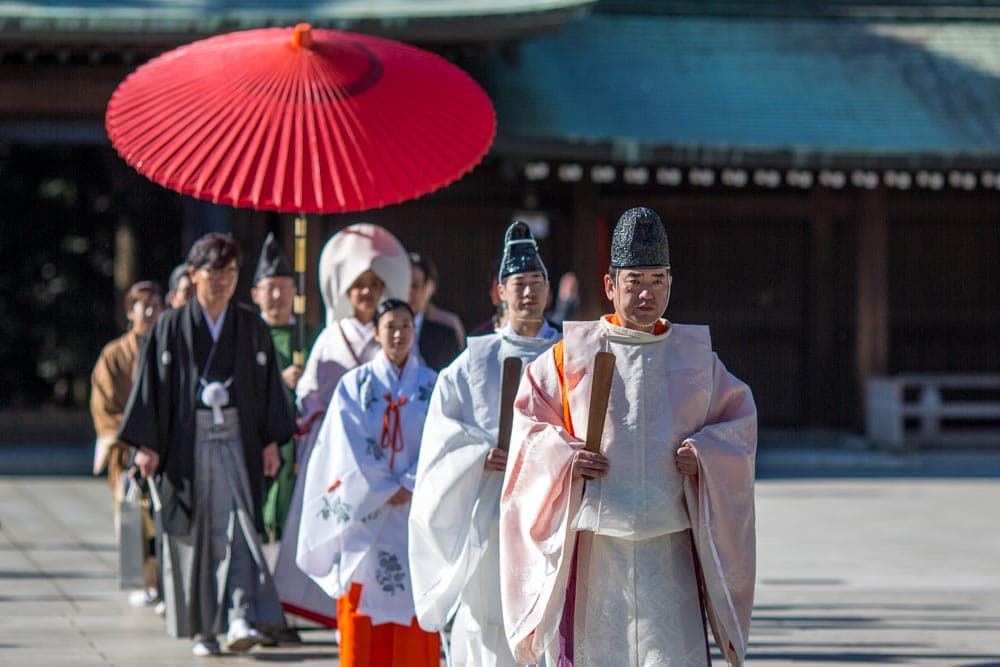
A spring festival in Tokyo, the Meiji Jingu Grand Festival presents traditional Japanese performances, including Bugaku dance, Noh theater, and martial arts demonstrations.
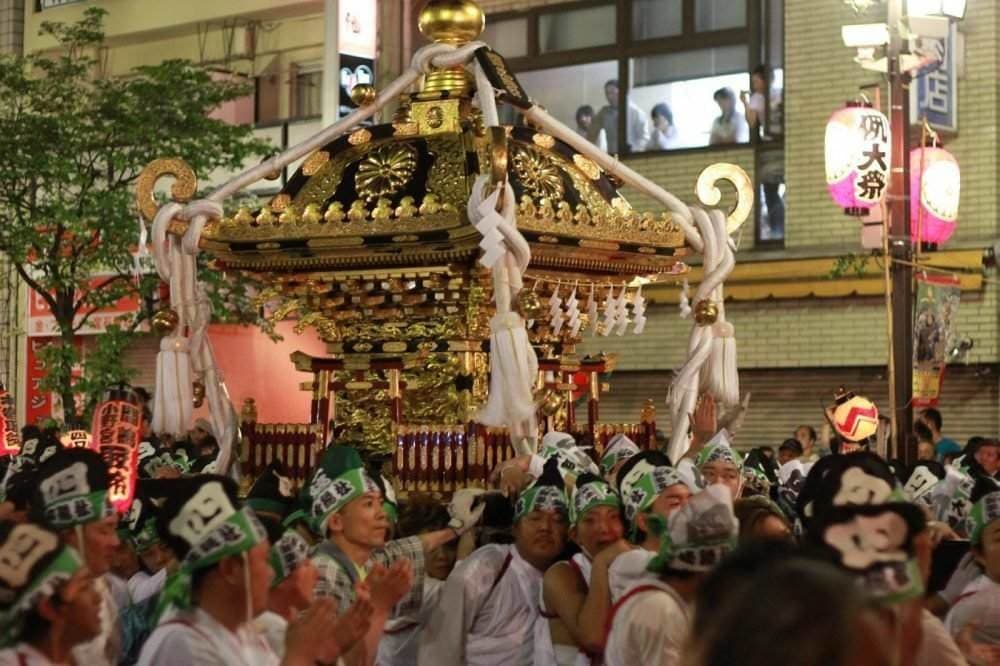
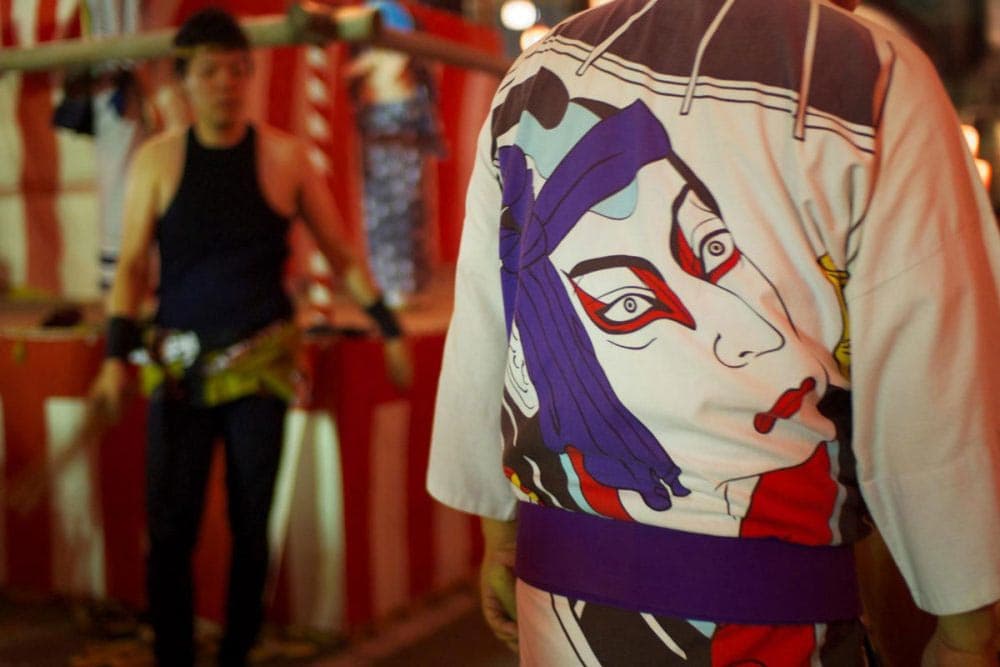
A traditional festival in Tokyo, Kurayami Matsuri is held in early May. Its main events include nighttime processions with portable shrines and floats.
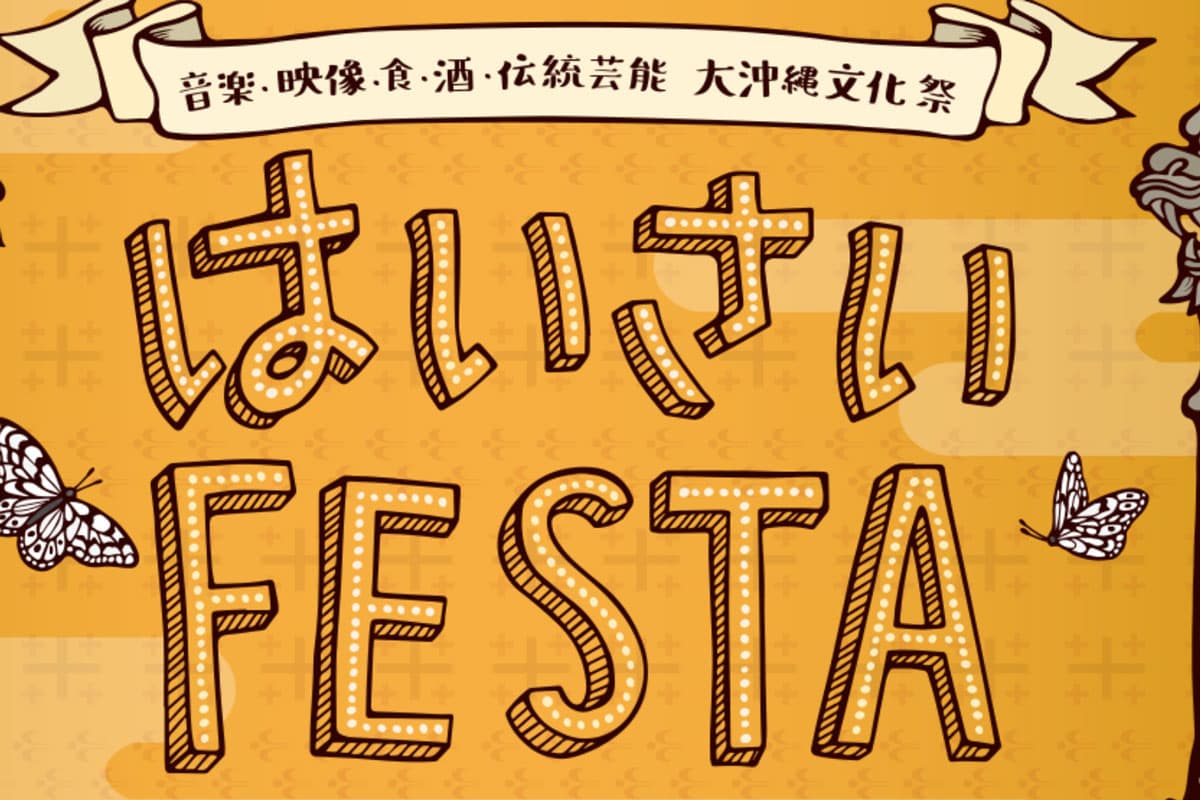
An Okinawan cultural festival in Kawasaki, this event features food stalls, traditional crafts, and daily music and dance performances during Golden Week.
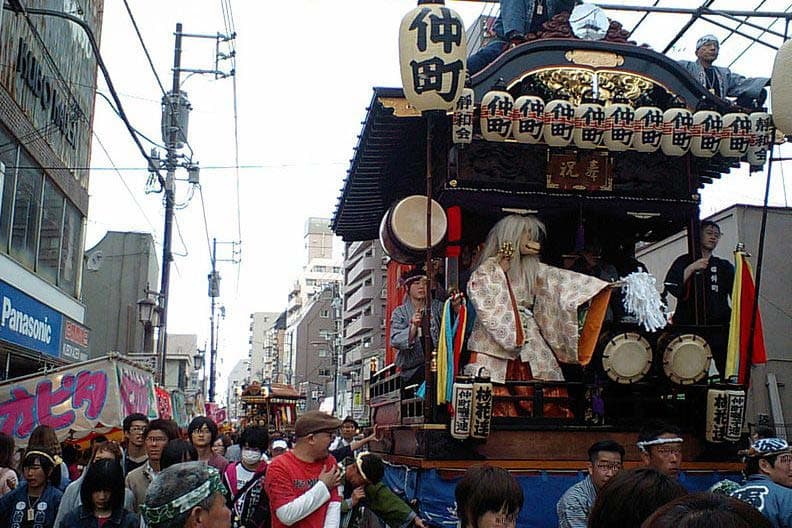
A festival in Ome, the Ome Grand Festival on May 2-3 features a procession of twelve floats that compete in musical battles, accompanied by nearly 300 street stalls.
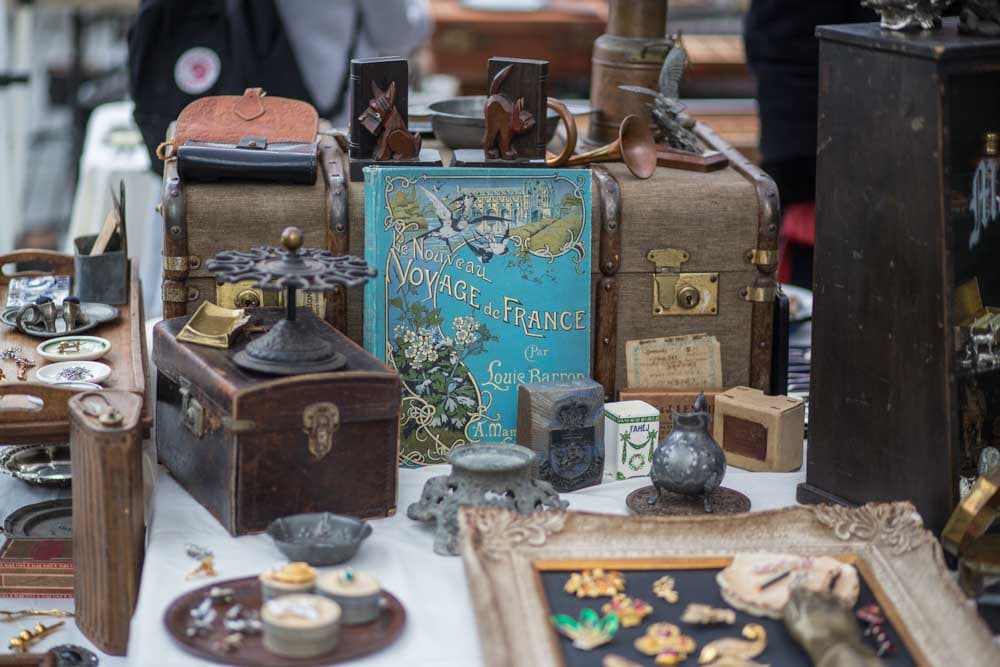
An antique fair in Tokyo, this large indoor event hosts nearly 300 dealers five times a year, offering high-quality Japanese antiques like ceramics and textiles for serious collectors.
A Bon Odori festival in Tokyo, this late-July event at Zojoji Temple honors Jizo statues and features traditional dancing, taiko drumming, and food stalls.
A cultural festival in Tokyo, the Cambodia Festival offers Cambodian food, crafts, and dance performances. It serves to strengthen relations between Japan and Cambodia.