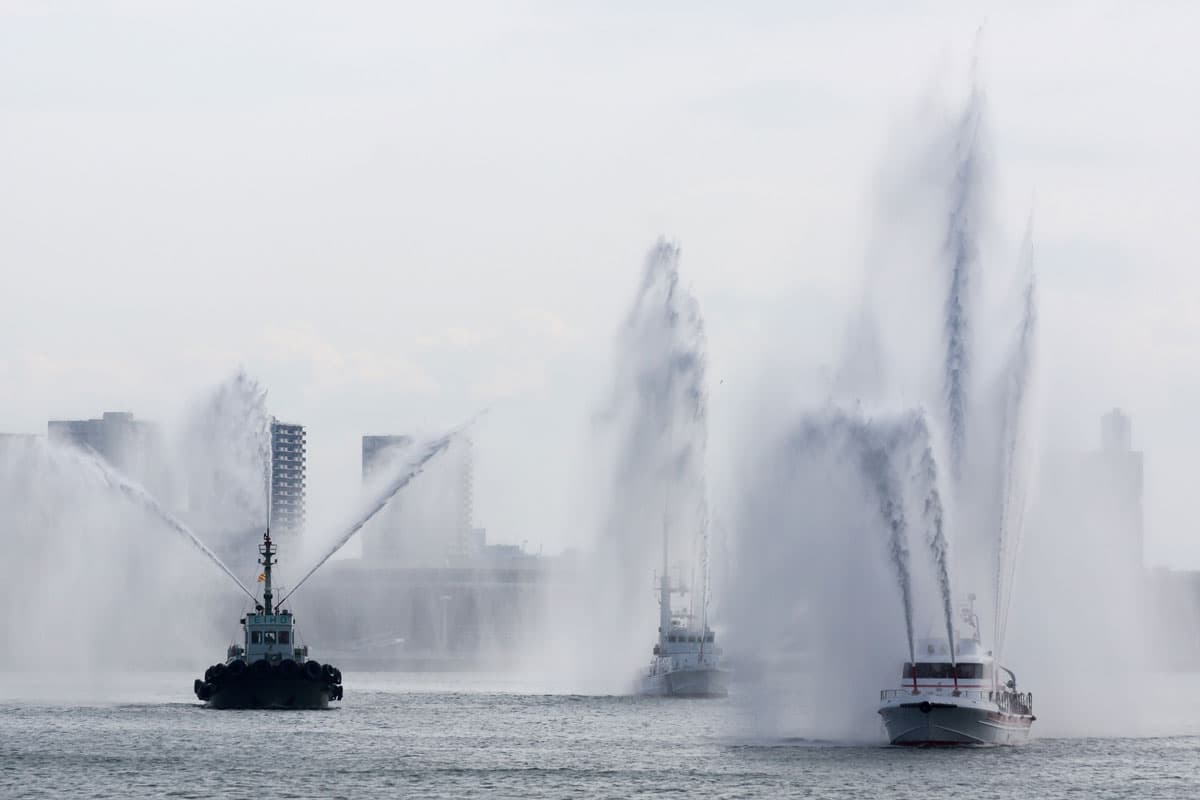
A firefighter festival in Tokyo, the dezome-shiki includes acrobatic displays, emergency drills, and parades by the fire department, some in historical costumes.
A purification festival in Tokyo, the Dondo-yaki involves burning New Year decorations. Participants roast rice cakes over the bonfire for protection from illness in the coming year.
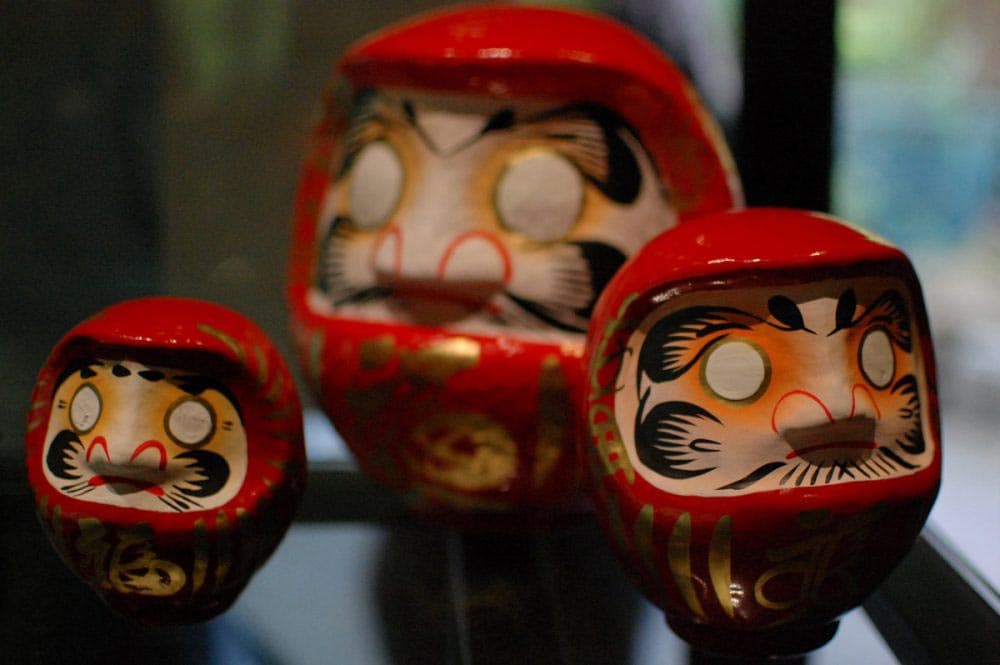
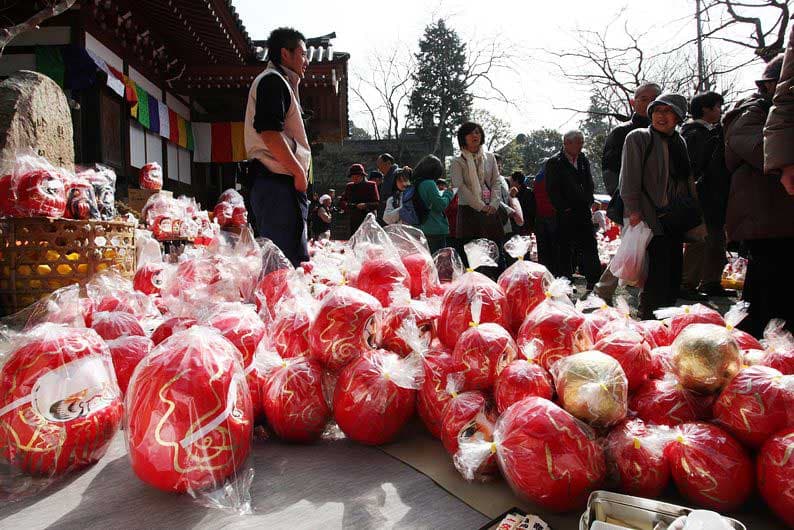
The Daruma market in Ome is an annual event held on January 12. The market sells traditional dolls and commemorates the city’s former silk farming industry.
A winter festival in Tokyo, Daikoku Matsuri at Kanda Myojin Shrine involves a performer blessing attendees with a sacred mallet to grant luck and wealth for the year.
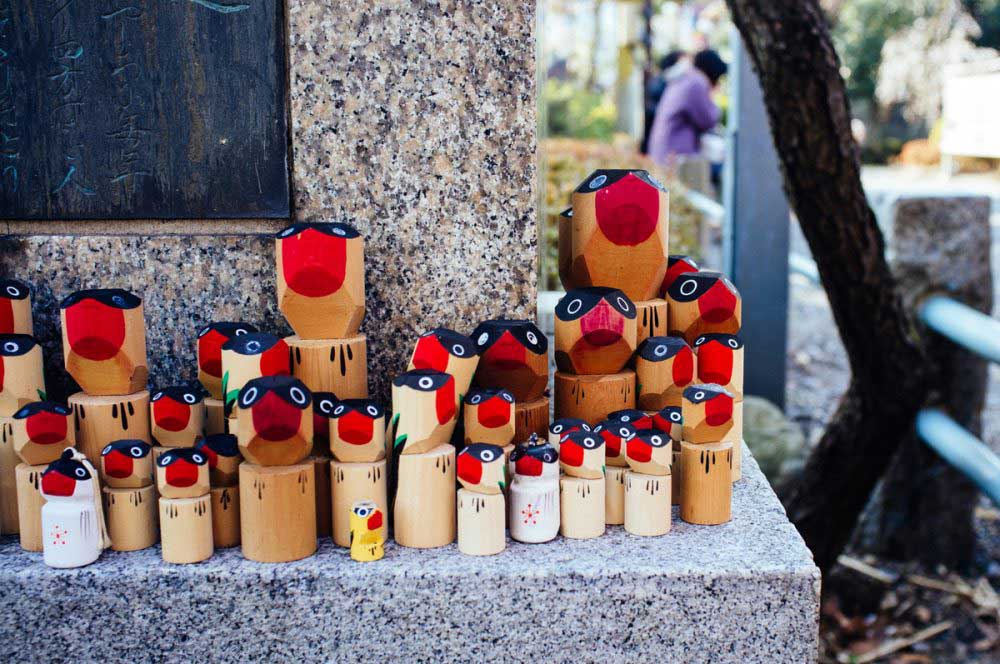
A cultural festival in Tokyo, this annual event on January 24-25 involves exchanging carved wooden bullfinches at Kameido Tenjin Shrine to secure good fortune.
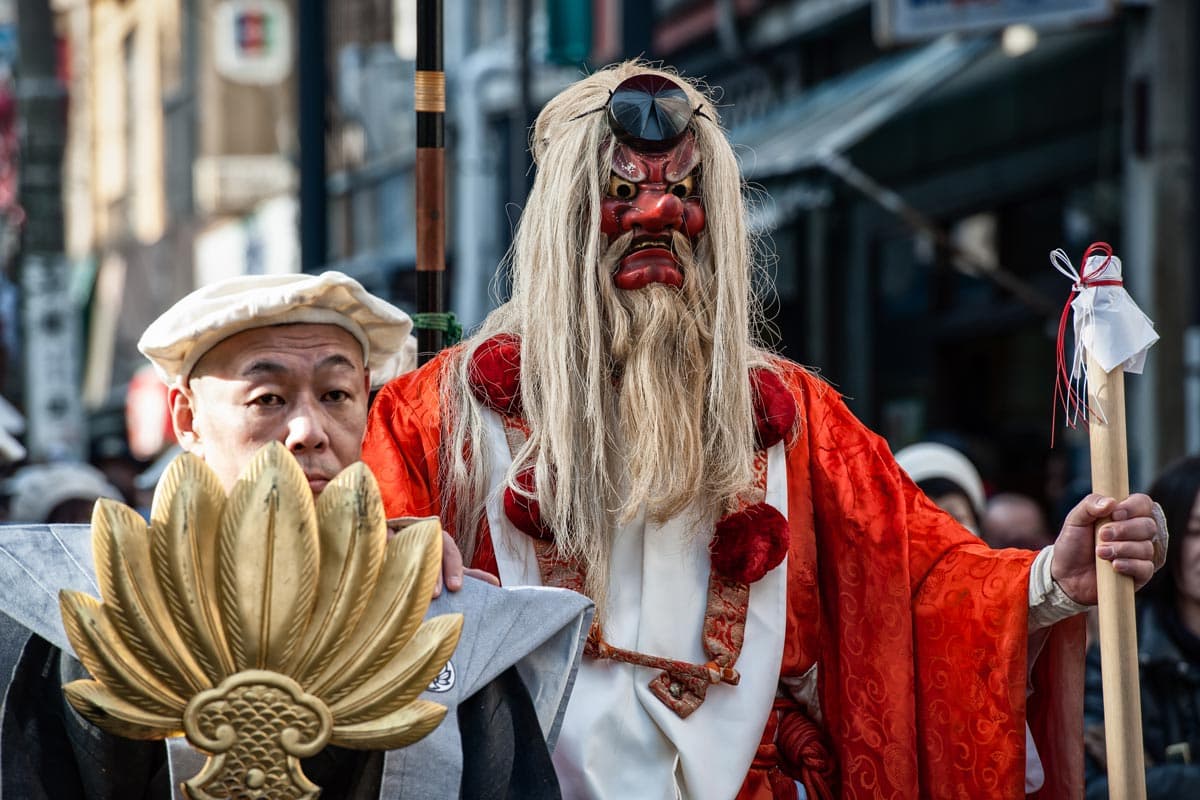
A Setsubun festival in Shimokitazawa, this event includes a parade where participants dressed as tengu throw beans for good luck through the local shopping streets.
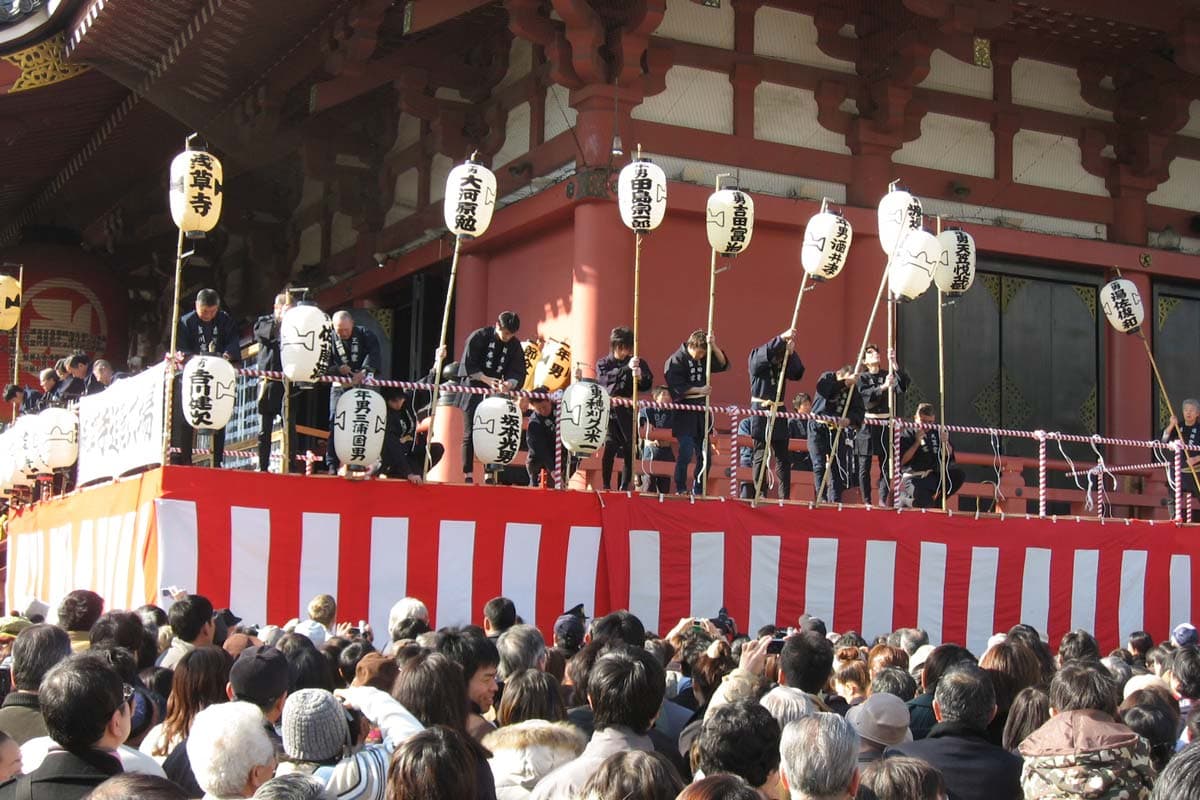
The Setsubun festival at Asakusa’s Sensoji temple includes a unique bean-throwing chant and a performance of the Dance of the Seven Deities of Good Fortune.
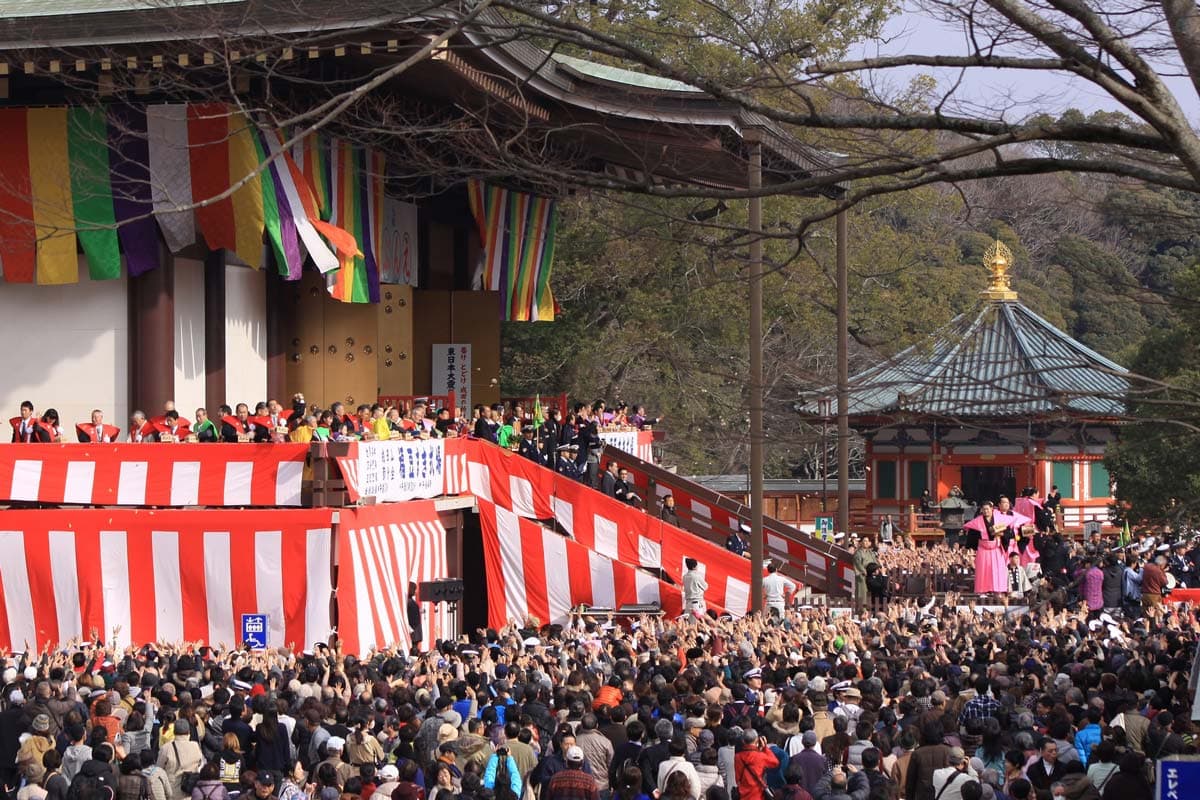
The Setsubun festival in Narita features sumo wrestlers and actors throwing roasted soybeans from stages at Naritasan Shinshoji Temple to mark the start of spring.
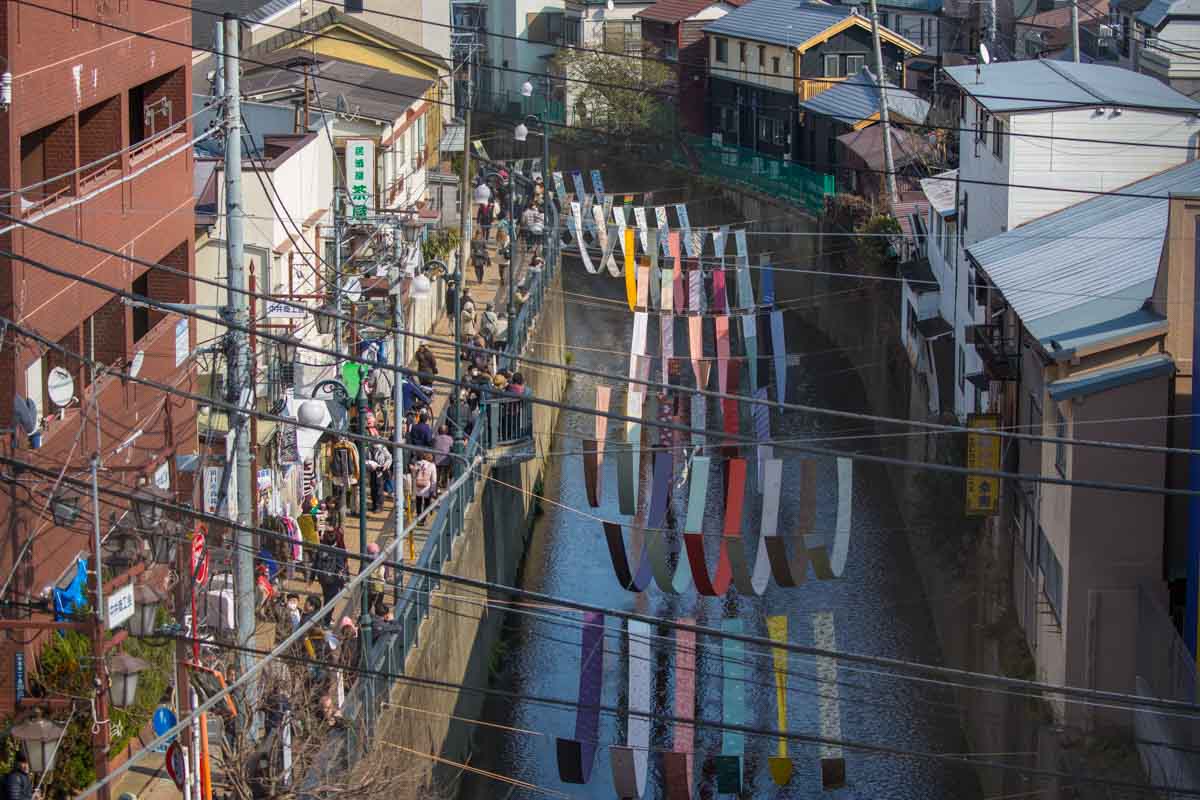
A dyeing festival in Shinjuku, Some no Komichi celebrates the area’s textile history. It features dyed cloth suspended over a river and custom noren curtains at local businesses.
This annual Daruma doll market in Chofu features over 300 stalls. A specialized ritual involves monks painting a Sanskrit character in a doll’s eye to represent a wish.
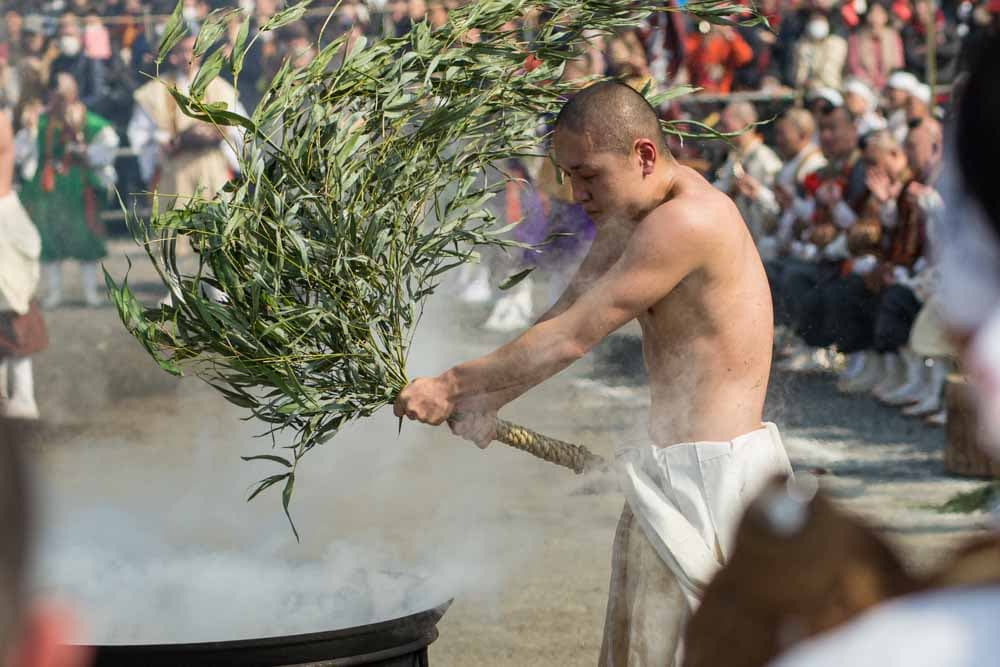
A Buddhist fire walking festival in Tokyo held annually in March. Monks and the public walk on hot embers for spiritual purification and to offer prayers.